
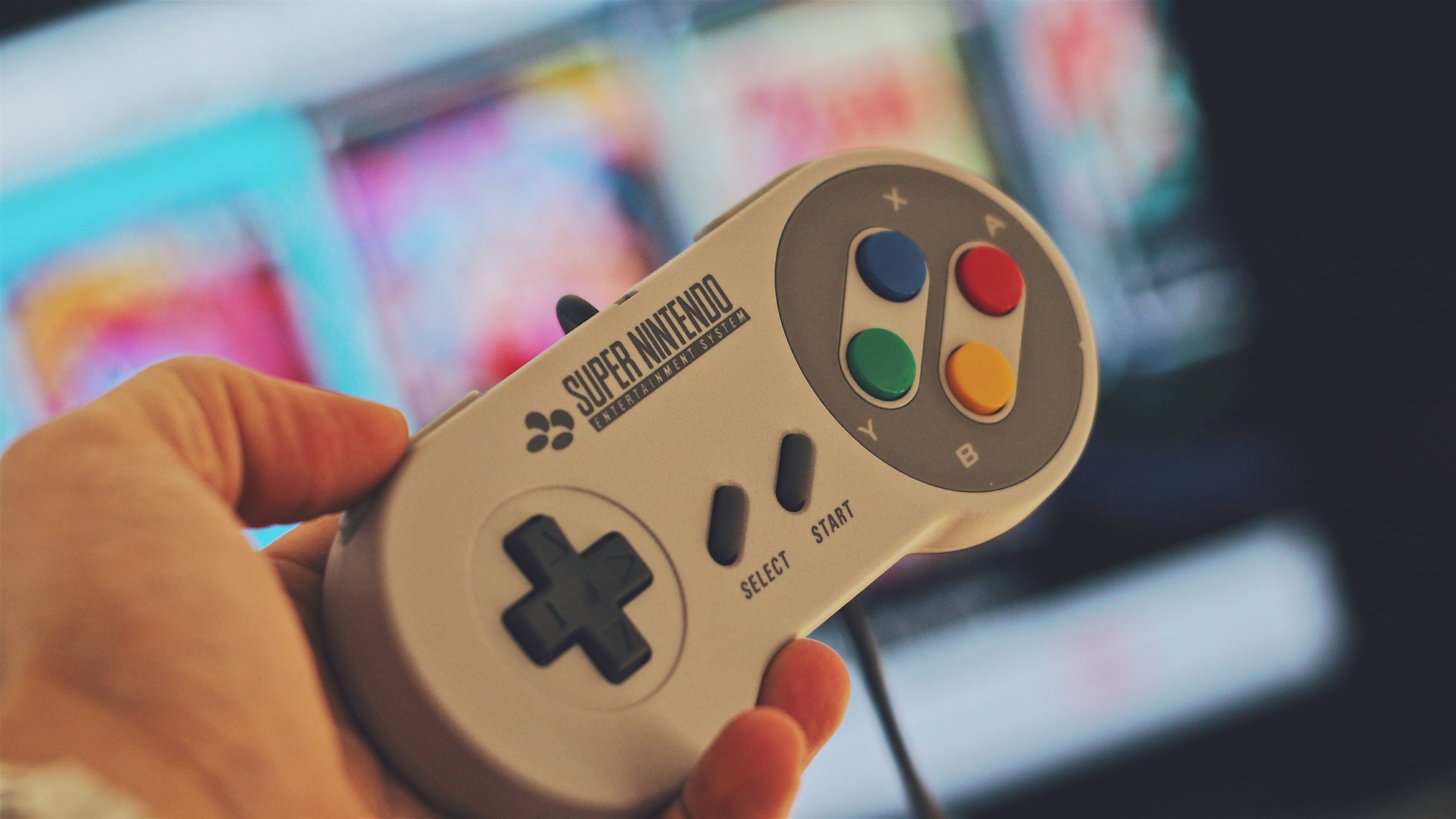
Pick up any popular phone game today and you will probably find something familiar underneath the bright graphics and push notifications. A single tap to keep a character airborne, a score that climbs as difficulty ramps up, a lives counter that makes every mistake feel expensive. These ideas are older than the smartphone by decades. They came out of coin-op cabinets and home consoles in the late 1970s and 1980s, and they have never really left.
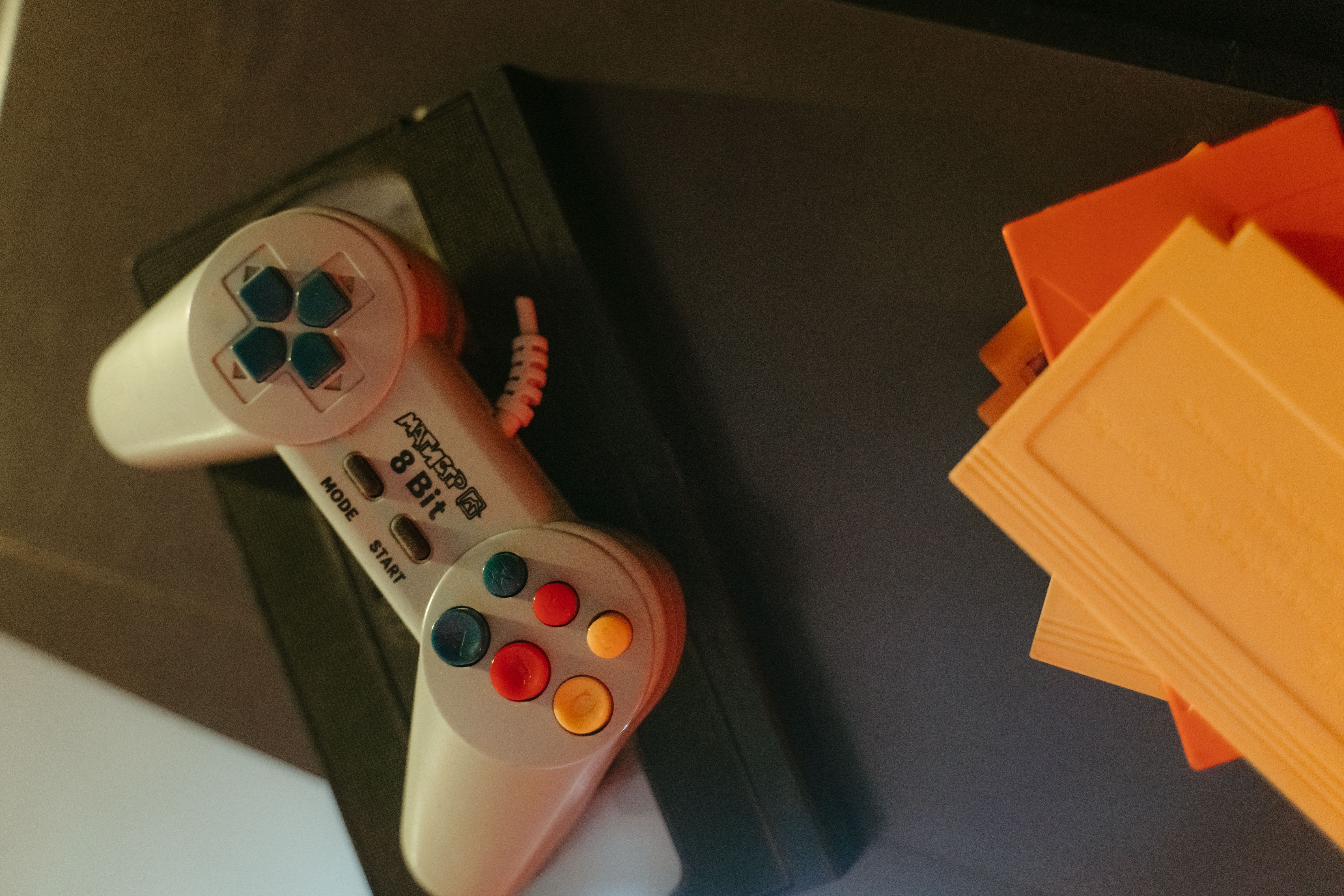
Simple rules hold up better than complicated ones
Classic games were built under severe limits. Memory was tiny, screens were low resolution, and a game had to be understood within seconds of someone dropping a coin in. That pressure produced designs with very clear rules. Move, shoot, avoid, collect. Nothing was hidden behind a tutorial the size of a novel.
Mobile developers have rediscovered exactly this. A phone is used in short bursts, often one-handed, while someone waits for a bus or a kettle. Games that can be understood in a single glance tend to survive those moments. It is no coincidence that so many hit titles of the last fifteen years are built around one mechanic and a simple way to fail.
There is also some interesting research on this. A study of 82 student game projects at a high school programming course found that learners were far more likely to remake classic arcade titles than contemporary ones. The authors noted that simpler mechanics were easier to rebuild, and that newer mobile hits such as Flappy Bird and Subway Surfers were also easy to recreate because they leaned on those same stripped-back ideas. Young developers, many of them born long after these games were popular, still reached for the classics first.
Publishers never stopped copying the arcade
The influence is not just a matter of taste. When mobile platforms were young, developers faced a real question about what kind of games would work on touchscreens with limited battery life. Many of them went back to the arcade. Scholars who have studied the period point out that publishers re-released old arcade titles like Space Invaders and Pac-Man for hardcore players, while the same firms were adapting console genres and turn-based strategy for a smaller screen.
That mix of old and new is still visible. The endless runner, the match-three puzzle, and the high-score chase all trace back to cabinets that once ate quarters in a pizza parlor. The difference is the monetization layer. Where an arcade asked for another coin, a modern app asks for energy refills, ad breaks, or a daily login bonus. Some players find that layer exhausting, and it is a fair criticism.

The reward loop is the real inheritance
The most durable classic idea may be the reward loop: a small action, a quick visual and audio payoff, and then a reason to try again. Arcade designers used this to keep quarters flowing. Mobile designers use it to keep thumbs scrolling. Gambling-style products lean on the same psychology, which is why online pokies with their spin, flash, and near-miss rhythm feel so familiar to anyone who grew up with a slot machine or a bonus round in a platformer. Recognizing that lineage is useful, because it helps players notice when a game is pulling on the same levers it always did.
Good designers, though, take the healthy part of the tradition. A tight jump, a clear hit box, and an honest sense of why you lost are all classic virtues. Many of the best mobile games borrow those and leave the manipulation out.
Nostalgia helps, but it is not the whole story
It is tempting to attribute the revival of old design purely to nostalgia. Researchers who study retro gaming have argued that the picture is more complicated. Some players are emotionally attached to the games they grew up with, while others are curious about gaming history or simply enjoy a clean, focused experience. Mobile platforms also make it easy to revisit older ideas in a new form, and that changes how people relate to them.

Where the tradition goes next
The next wave of mobile games will probably combine older loops with newer technology such as richer physics, online play, and procedural content. Yet the core lessons of the arcade remain the same: make the rules easy to learn, make mastery rewarding, and make every session feel like it could be the one that beats your high score. Classic games did not disappear when phones arrived. They moved into our pockets, and they are still teaching developers what makes people come back.