
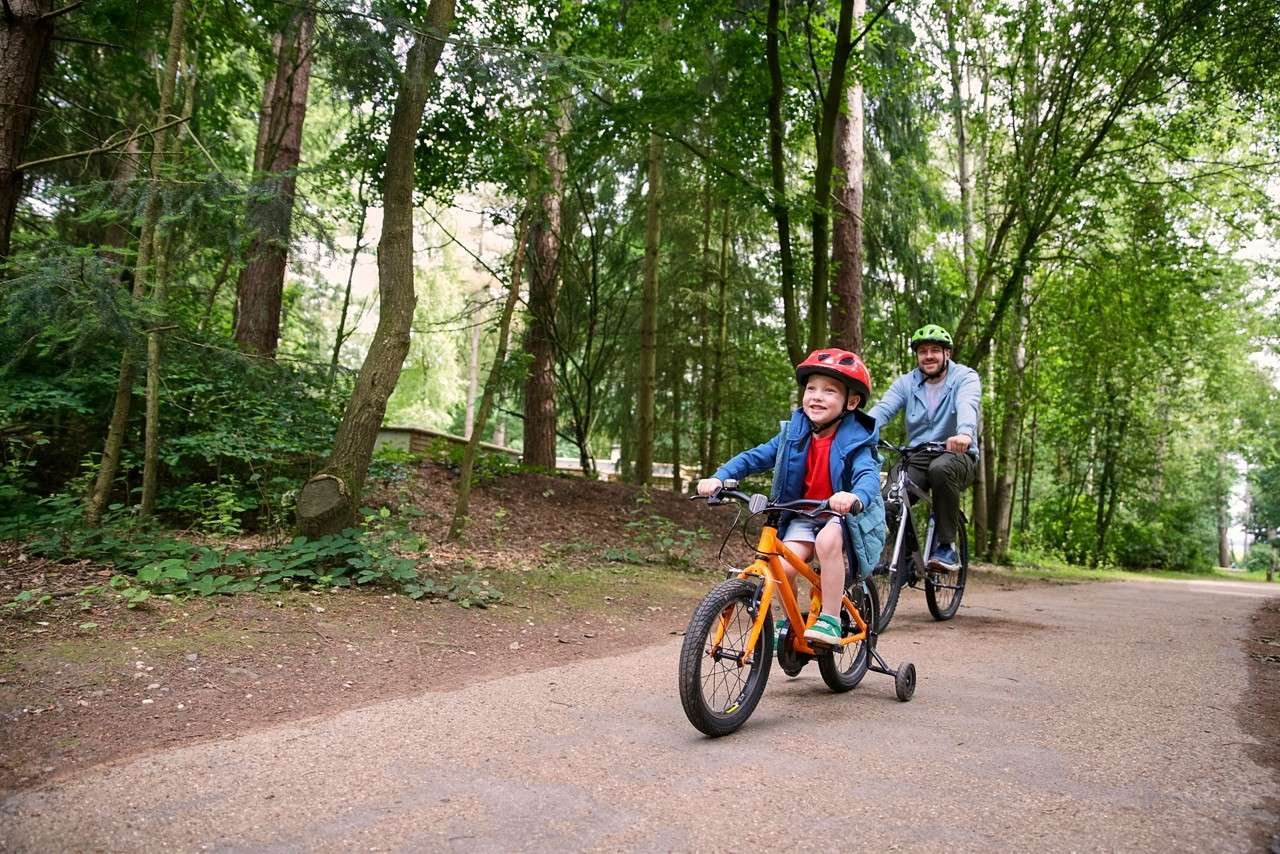
Traditional family holidays often look wonderfully straightforward when they are first planned. Choose a destination, book somewhere to stay and imagine a few easy-going days together. The reality can be rather different.
Once children are involved, every day can require a surprising amount of organisation: deciding where to go, working out how long the journey will take, finding somewhere suitable to eat and making sure there is enough to keep everyone occupied.
That is why activity breaks can be such an appealing alternative. Instead of treating accommodation simply as a base and building the holiday around a constant stream of outings, an activity break places more of the entertainment within easy reach. For many families, that can make the entire experience feel simpler, more flexible and considerably less tiring.
The attraction is not necessarily that every minute is planned. In fact, one of the great advantages is often the opposite. When there is plenty available on site, families can make decisions according to how they feel on the day rather than relying on a rigid itinerary.
Less time spent organising, more time actually enjoying the break
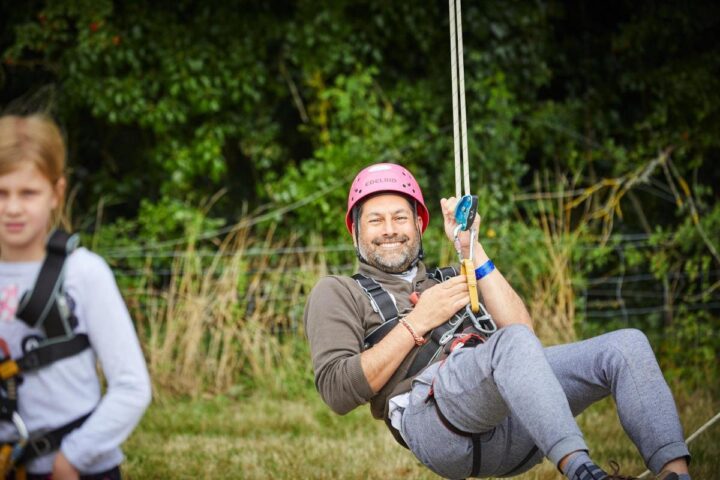
One of the most tiring parts of a family holiday can happen before anything enjoyable has even started.
Parents may wake up and immediately begin working through a list of questions. Where are we going? How long will it take to get there? Do we need to book? What should everyone wear? Is there parking? Will there be somewhere suitable for lunch? What happens if it rains?
None of those questions is particularly difficult on its own, but dealing with them repeatedly can make a holiday feel remarkably similar to everyday life.
Activity breaks reduce some of that constant decision-making. If swimming, sports, games or other entertainment are already available nearby, a family can move into the day without having to organise an expedition first.
That can make mornings much more relaxed. There is less pressure to get everybody dressed, packed and out of the door by a particular time, and fewer arguments caused by people feeling rushed.
Children tend to enjoy having choices

Children are often happier when they feel involved in what happens next.
A traditional holiday itinerary can sometimes become a sequence of adult decisions: today the family is visiting this attraction, tomorrow they are going somewhere else, and everyone needs to be ready at a certain time.
An activity break can provide more flexibility. Children may be able to choose between several things rather than simply being told what has already been arranged for them.
That does not mean giving them complete control of the holiday. Even a choice between two suitable activities can create a sense of independence.
One child may want to swim while another wants to try a sport. Someone else may prefer something quieter. Having different options available can make it easier to accommodate those preferences without turning the day into a complicated negotiation.
It also helps when children are different ages. A seven-year-old and a teenager are unlikely to agree on everything, but a destination with a broader range of activities gives families a better chance of finding things that appeal to both.
Weather becomes less of a threat

The British weather has a habit of making carefully planned holidays considerably less predictable.
A day that was supposed to involve walking, sightseeing or visiting an outdoor attraction can suddenly become very different when heavy rain arrives. If the entire holiday depends on travelling elsewhere for entertainment, poor weather can create a scramble for an alternative.
Activity-focused accommodation can make that less of a problem.
When there is a mixture of things to do, families may be able to adjust the day rather than abandon it. An outdoor plan can be swapped for something else, then returned to later if conditions improve.
That flexibility can be particularly valuable on shorter breaks. Losing one full day to poor weather matters far more when the holiday only lasts a few nights.
It is one of the reasons destinations such as Manor & Ashbury Resorts can appeal to families who want plenty to do without having to base the success of the entire trip on a carefully arranged schedule of external attractions.
The car does not have to become part of every day
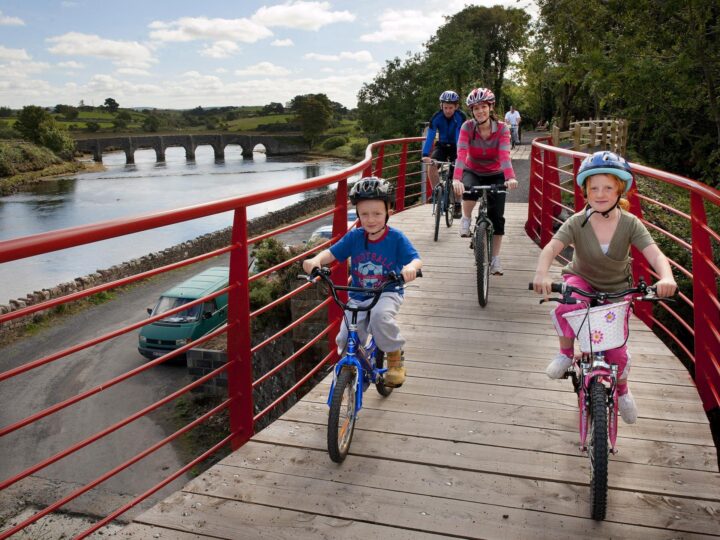
There is a peculiar irony to some family holidays. People travel away from home to spend time together and then spend a substantial part of each day sitting in the car.
Driving to attractions can be worthwhile, but doing it constantly can become tiring very quickly.
Every journey involves another round of getting everyone ready, checking that nothing has been forgotten and persuading children to get back into the car. Then there is parking, traffic and the journey back afterwards.
When more of the entertainment is available where you are staying, the pace changes.
A family might spend the morning doing something active, return to the room for a break and then choose something else later without having to plan another journey.
That can make the day feel longer in a good way. There is more time available because less of it is being lost to travelling and organising.
Activity breaks make quieter moments easier too

A good activity break is not about being busy from breakfast until bedtime.
In fact, having plenty available can make it easier to relax because nobody feels anxious about wasting time. If there is another activity available later, spending an hour doing very little does not feel like a problem.
That is especially useful for families with younger children.
Children may appear full of energy, but an overpacked day can quickly lead to tiredness, irritability and arguments. A quieter spell after lunch can help everyone reset before the next part of the day.
Parents benefit from this too.
A holiday becomes far more enjoyable when adults are not constantly responsible for creating entertainment. If the children have already enjoyed plenty of activity, a calm hour in the room can feel completely natural rather than something that needs to be filled.
You can still explore beyond the resort
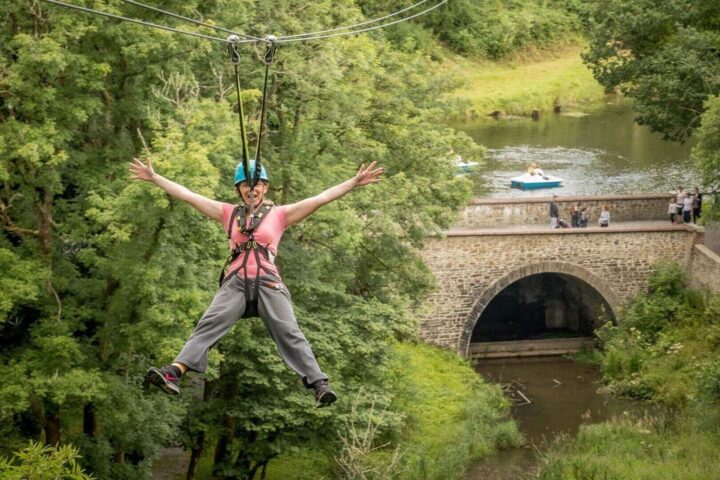
Choosing an activity break does not mean spending the entire holiday in one place.
Families can still visit nearby towns, attractions, countryside or other places of interest. The difference is that those outings become choices rather than requirements.
That can completely change the way a day out feels.
Instead of needing to find something external to occupy the children every day, the family can decide to explore because they genuinely want to.
If everyone is tired the next morning, the plan can change. There is no sense that the day will be wasted because other options are already available.
This is particularly useful for families who like a mixture of sightseeing and relaxation. Some days can involve exploring, while others remain much closer to where everyone is staying.
Different interests are easier to accommodate
Family holidays involve compromise.
Not everyone wants to do the same thing at the same time, and trying to force that can create tension unnecessarily.
An activity break can make it easier for family members to separate temporarily and then come back together later.
Perhaps one parent takes a child swimming while another family member chooses something different. Older children may be interested in an activity that younger ones are not ready for. Parents may even manage a little downtime while the children are occupied.
The family is still holidaying together, but there is less expectation that every person has to participate in every single activity.
That can actually make shared time more enjoyable because nobody feels as though they have spent the whole day doing things chosen by somebody else.
A break with fewer moving parts
The greatest advantage of an activity holiday may simply be that there are fewer things to manage.
There is less travelling, less pressure to fill each day and often less need to plan everything in advance. Children still have things to look forward to, while parents can make decisions based on energy levels, weather and mood.
That simplicity should not be underestimated.
Many families return from holidays joking that they need another break to recover. Often that happens because the holiday became an ambitious programme of outings rather than an opportunity to slow down.
An activity break can offer a different rhythm. There can still be busy days, new experiences and plenty of excitement, but these are balanced by convenience and flexibility.
For families who enjoy being active but do not want every day to involve extensive planning, that can make a significant difference. The holiday becomes less about constantly asking what everyone is going to do next and more about choosing from the possibilities already around them.
Sometimes the easiest family holidays are not the ones where parents plan the most. They are the ones where the destination quietly does some of the work for them.