
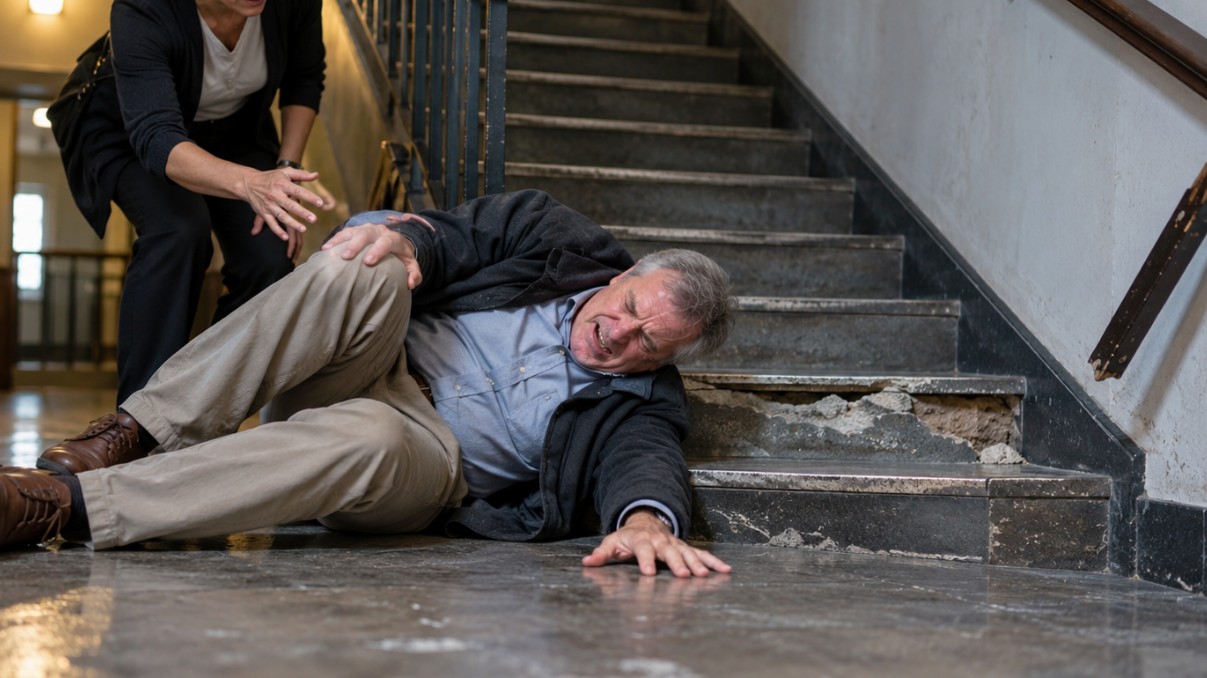
You expect a store, apartment building, hotel, or office to be reasonably safe. Most people do. Then a loose stair rail gives way, a hallway stays dark for weeks, or water sits on a floor long enough for someone to slip and hit the ground hard. The injury happens in seconds, but the stress keeps going. Pain sets in, work gets missed, bills start showing up, and you are left wondering whether this should have been prevented.
For more information, visit https://phillyslipandfallguys.com/.
How property negligence leads to serious injuries often comes down to the same core problem. A property owner knew, or should have known, about a hazard and failed to fix it, warn about it, or block people from danger. Under the basic legal idea of negligence, carelessness that causes harm can create liability. That matters when a preventable fall, burn, head injury, or broken bone changes your daily life.
The hardest part for many people is that these cases can sound small when they start. A “simple fall” can mean surgery. A ceiling leak can lead to mold exposure and breathing problems. Faulty locks can turn into a violent assault. Unsafe property conditions are not minor when the outcome is serious, and the law often looks closely at what the owner failed to do before the injury happened.
Property negligence creates hazards that are easy to ignore until someone gets hurt
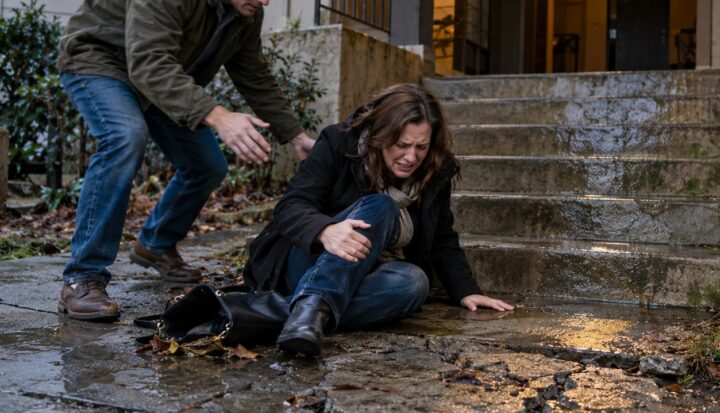
Neglected property rarely looks dramatic at first. It is the cracked walkway that never gets repaired, the broken handrail with one missing bolt, the apartment steps that stay slick after every rain, or the poor lighting in a parking lot where people cannot see a curb, a puddle, or another person approaching. The danger builds because the condition stays there long enough for harm to become predictable.
Housing quality plays a direct role in health and safety. The federal summary on quality housing connects poor housing conditions with injury risk, respiratory issues, and other health problems. That link is not abstract. If a landlord ignores loose flooring, exposed wiring, pests, broken smoke detectors, or structural decay, the people living there carry the risk every day.
Falls are one of the clearest examples. The CDC’s guidance on fall prevention shows how common and harmful falls can be, especially for older adults, though anyone can be seriously injured. On neglected property, the causes are often familiar. Uneven pavement, cluttered walkways, missing warning signs, poor lighting, and wet floors all raise the chances of a bad fall. When a property owner lets those conditions continue, the injury is no accident in the ordinary sense. It is often the result of inaction.
You may already know this feeling. You replay the moment and think, “That should not have happened.” You may also hear the other side move fast to minimize it. They may say you were distracted, the hazard was obvious, or no one reported it before. Those arguments come up often in a premises liability injury claim, especially when the owner wants to avoid paying for the harm their neglect caused.
Serious injuries from unsafe property conditions affect more than your medical bills
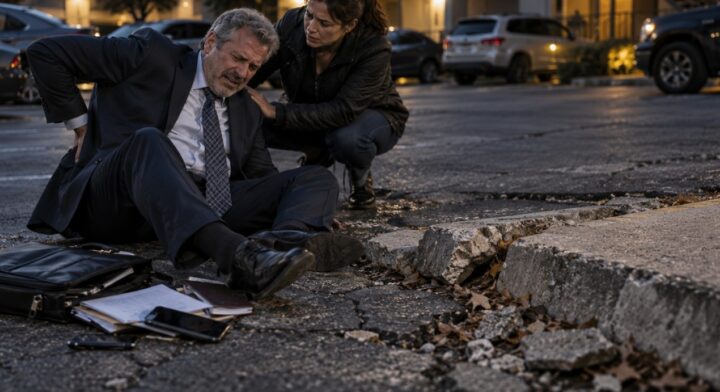
The injury itself is only one part of the damage. A fractured wrist can keep you from driving, typing, lifting your child, or working your normal shift. A head injury can bring headaches, memory issues, and fatigue that do not show up on an X-ray. Back and neck injuries can turn sleep, chores, and basic movement into daily problems. When the property owner’s neglect causes that chain reaction, the financial pressure builds fast.
Lost income can hit before you even know the full diagnosis. Insurance questions start early. Evidence can disappear just as quickly. A spill gets cleaned up. A broken step gets replaced. Security footage gets deleted. Witnesses move on. That is why these cases are not just about proving you were hurt. They are also about proving the dangerous condition existed, the owner had enough notice, and the owner failed to act within a reasonable time.
This is where a personal injury lawyer can make a real difference. A lawyer can gather incident reports, maintenance records, photos, witness statements, lease documents, inspection history, and surveillance footage before key details vanish. In a property injury case, facts matter more than assumptions.
Property neglect versus reasonable maintenance
| Condition | Reasonable Property Care | Neglect That Raises Injury Risk |
| Wet floor in a store | Prompt cleanup, warning signs, staff checks | Spill left for a long period with no warning |
| Apartment stairway | Secure handrails, working lights, routine repairs | Loose rail, broken steps, dark landing, ignored tenant complaints |
| Parking lot | Good lighting, even pavement, visible markings | Potholes, poor lighting, hidden curbs, known security failures |
| Entryway in bad weather | Mats, salt, warning signs, regular monitoring | Untreated ice, soaked floors, no effort to reduce slipping hazards |
The difference usually comes down to notice and response. Property owners are not expected to prevent every possible injury. They are expected to act reasonably when hazards are known or should have been discovered through ordinary care. When they do nothing, or do too little, people get hurt.
Immediate steps after an injury on neglected property protect your health and your claim
Get medical care and follow through. Your health comes first. Prompt treatment also creates a clear record tying the injury to the incident. If you wait too long, insurers often argue that something else caused your condition or that it was not serious.
Preserve the scene and your evidence. Take photos of the hazard, your injuries, your shoes, and the surrounding area. Report the incident to the manager, landlord, or property owner and ask for a written report if one exists. Save names of witnesses. Keep receipts, discharge papers, work records, and messages about the event.
Speak with a personal injury lawyer before giving detailed statements. Early legal guidance can help you avoid mistakes that weaken your case. A lawyer can assess whether the owner had notice, whether building codes or safety rules were ignored, and what compensation may be available for medical costs, lost wages, pain, and other losses.
Serious property injury claims often begin with one preventable failure
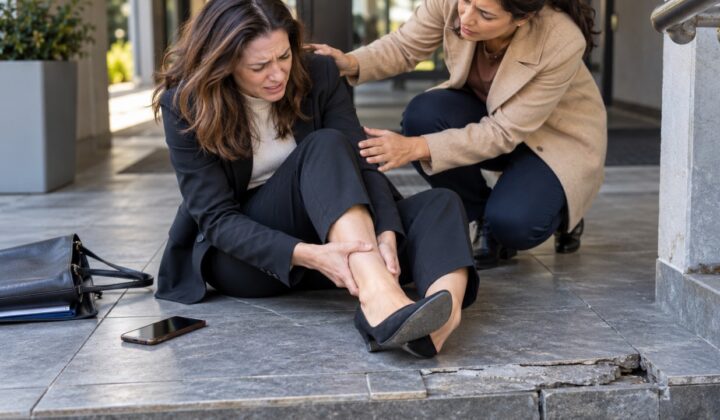
When a property owner ignores a dangerous condition, the result can be months of pain, uncertainty, and financial strain for you. That burden should not be treated as bad luck when the hazard was preventable. If you were hurt because a property was not kept reasonably safe, you deserve clear answers and a fair look at your legal options.
Reach out to a personal injury lawyer to discuss what happened, preserve evidence, and protect your claim before key details are lost.