
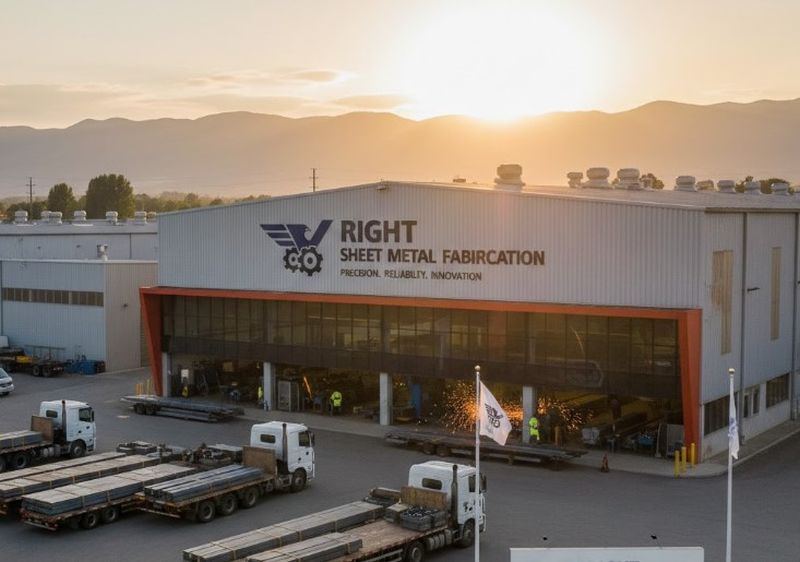
The Art and Science of Sheet Metal Fabrication
Understanding Sheet Metal: Materials and Their Properties
Sheet metal fabrication is a core manufacturing process used across numerous industries, ranging from aerospace to architectural design. Sheet metal fabrication companies work with a variety of materials, including stainless steel, aluminum, copper, brass, and mild steel, each offering unique characteristics suited to different applications. For example, stainless steel is highly valued for its strength and corrosion resistance, making it ideal for environments prone to moisture or chemical exposure, such as marine settings and food processing facilities. Aluminum, known for being lightweight yet durable, is commonly used in the automotive sector where efficiency and performance are critical.
Copper and brass, prized for their superior electrical conductivity, are widely utilized in electronics manufacturing where dependable and precise connections are required. Mild steel, while less resistant to corrosion, remains a cost-effective option due to its excellent machinability and weldability, making it popular in construction and heavy equipment production. Gaining a clear understanding of these materials and their properties helps clients collaborate more effectively with sheet metal fabrication companies, ensuring the most suitable materials are selected to meet specific project requirements.
The Fabrication Process: Techniques that Shape Innovation
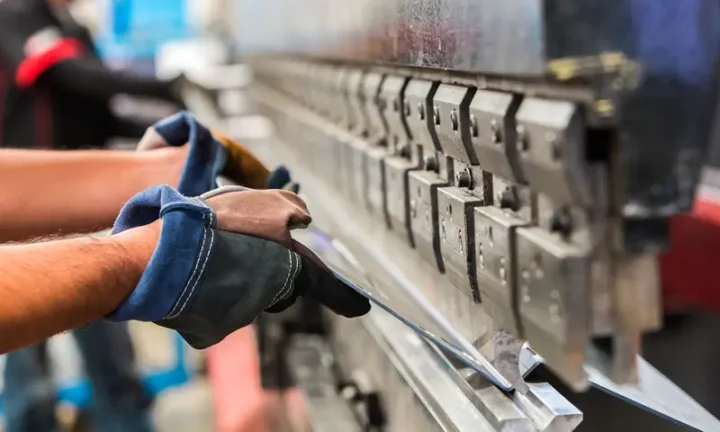
The fabrication of sheet metal encompasses a variety of processes, each contributing to the overall quality and functionality of the finished product. These techniques include cutting, bending, welding, and assembling, and they can be employed individually or in tandem depending on project requirements. Cutting, for example, can be achieved through several methods, such as laser cutting, water jet cutting, and plasma cutting. Each of these technologies offers distinct advantages in precision and adaptability to different material types.
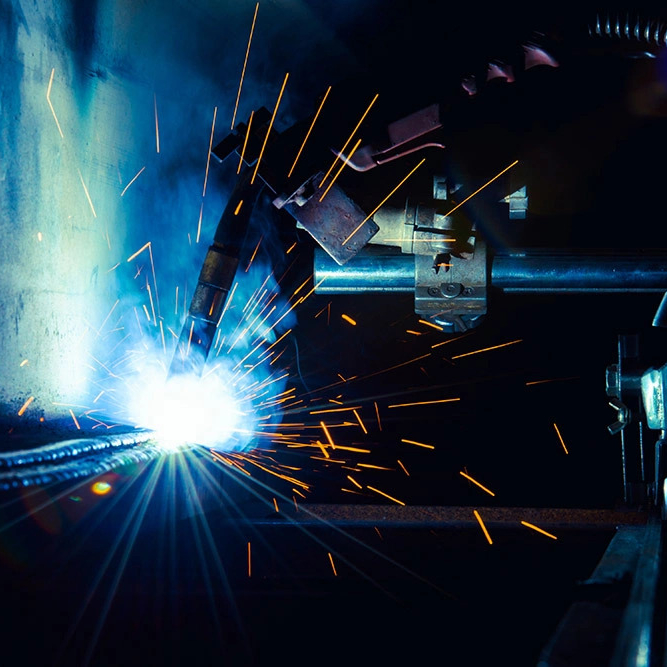
Bending is another essential technique, where sheet metal is manipulated into angular configurations using processes like press braking or roll forming. This is crucial in producing components like brackets, frames, and enclosures. Welding, which involves joining metal pieces together using heat and filler material, is pivotal in ensuring the structural integrity of the assembly. Different welding techniques, such as TIG (Tungsten Inert Gas) and MIG (Metal Inert Gas), find their applications based on metal types and thickness.
As innovation propels the industry forward, new techniques such as automated bending and computer numerically controlled (CNC) machining emerge, enhancing precision and reducing lead times. These advancements not only improve production efficiency but also enable fabricators to meet the increasingly complex demands of modern design.
The Role of Technology in Modern Fabrication
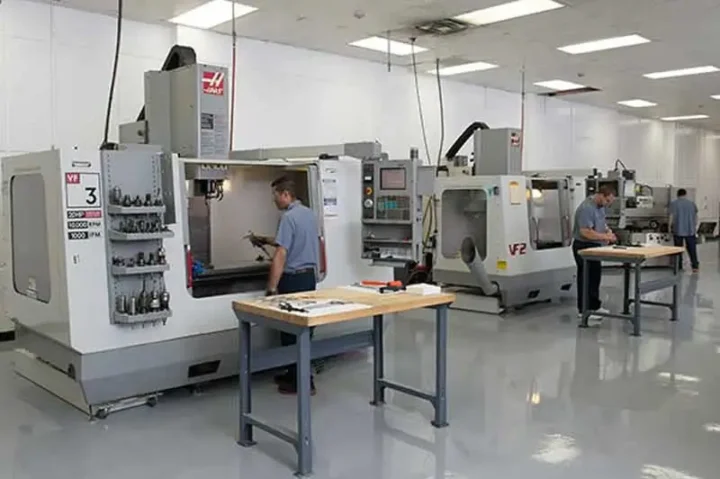
In the age of Industry 4.0, technology plays a critical role in advancing sheet metal fabrication. From computer-aided design (CAD) software to advanced robotics, technological integration extends far beyond simply enhancing production speed; it fundamentally redefines how fabrication companies approach their craft. CAD allows designers to create detailed three-dimensional models which can be simulated for functionality before any physical work begins, thereby reducing errors and saving time.
Moreover, with the advent of predictive maintenance systems, companies can monitor equipment performance in real-time, thereby minimizing unexpected downtimes that could disrupt production schedules. Additionally, additive manufacturing technologies, particularly in conjunction with traditional sheet metal methods, are emerging as viable alternatives for producing complex geometries that would be difficult or impossible to achieve with conventional fabrication methods alone.
As automation increasingly permeates the fabrication landscape, the importance of skillful technicians who can oversee these technologies escalates. Understanding and leveraging these advancements can give fabrication companies a significant competitive edge, making technology a vital consideration when choosing a partner for your sheet metal needs.
Navigating the Landscape: What to Look for in a Fabrication Company
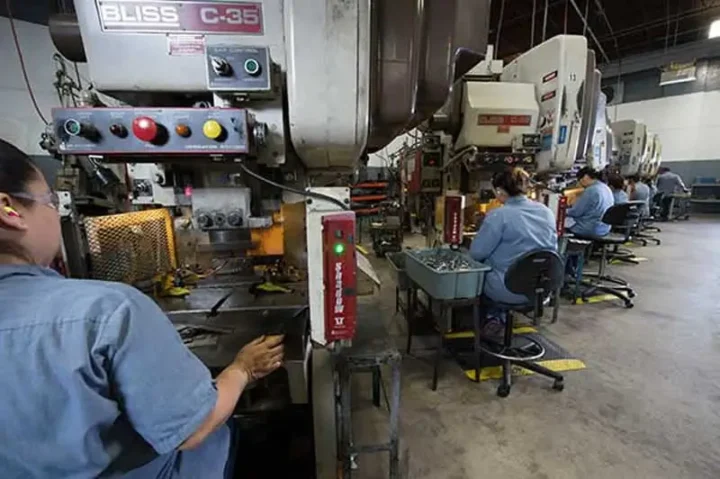
Reputation Matters: How to Gauge Industry Credibility
When selecting a sheet metal fabrication company, reputation serves as one of the most critical indicators of a potential partner’s reliability and quality. Client testimonials, industry reviews, and case studies can provide valuable insights into a company’s performance and credibility. Websites like Glassdoor and Google Reviews allow previous clients to share their experiences, and a history of satisfied customers often signifies a company’s ability to meet or exceed expectations consistently.
Also, pay attention to the company’s standing within professional associations related to fabrication. Membership in organizations like the Fabricators & Manufacturers Association (FMA) or the American Welding Society (AWS) indicates a commitment to industry best practices, continued education, and networking within the professional community. Additionally, awards and certifications from reputable organizations can also act as testament to a company’s craftsmanship and situate it as a leader in the sector.
Certifications and Standards: Ensuring Quality Assurance
Quality assurance is paramount in sheet metal fabrication, making certifications an essential aspect of choosing a reliable company. Look for companies that adhere to established industry standards such as ISO 9001, which outlines the criteria for a quality management system, or AS9100, specifically meant for the aerospace sector. These certifications indicate that a company maintains a systematic approach to managing its processes and consistently delivering high-quality products.
Additionally, process-specific certifications such as AWS for welding or ITAR compliance for defense-related projects demonstrate an understanding of the nuances involved in different fabrication methods and the industries they serve. Compliance with such standards entails rigorous auditing and continuous improvement practices, which assures clients of the company’s commitment to excellence and reliability in delivering their products.
Portfolio Power: Evaluating Past Projects and Specialties
A fabricator’s portfolio serves as a powerful tool for evaluation. It is essential to examine past projects for indicators of their capabilities, expertise, and adaptability to different industry needs. This can include looking at project scale from small prototype runs to large-scale production and the complexity of the parts produced. It’s also advantageous to investigate specialty areas; for instance, if you require products subjected to specific tolerances or applications, determining whether the company has experience in those arenas will simplify your selection process.
Moreover, seeking case studies that highlight problem-solving capabilities provides insight into how the company handles challenges and custom demands. Inquire about projects similar to yours during initial discussions, and make sure to assess both the aesthetic and functional qualities of completed works. A well-curated portfolio not only highlights technical expertise but also reflects a company’s capacity for innovation, an essential factor in today’s fast-paced manufacturing environment.
Building the Perfect Partnership: Collaboration and Communication

Understanding Your Needs: The Importance of Clear Expectations
An effective partnership with a sheet metal fabrication company begins with clear communication of your needs and expectations. To foster this understanding, it’s crucial to articulate your design specifications, deadlines, and quality standards upfront. Engaging in detailed discussions during the early stages of development lays the foundation for a mutually beneficial relationship, allowing both parties to align on objectives and minimize potential misunderstandings.
Furthermore, being transparent about budget constraints and project priorities can aid in tailoring solutions that best fit your needs without compromising quality. A reputable fabrication company will be more than willing to collaborate on finding solutions that meet both your vision and financial capacity. Establishing these expectations can prevent complications further down the line and facilitate smoother project execution.
Designing Together: The Value of Joint Development Processes
The essence of modern fabrication often lies in collaborative efforts between the client and manufacturer. Joint development processes foster innovation, allowing ideas to flow freely and result in superior design outcomes. Fabrication companies equipped with experienced engineers and designers contribute unique insights during the conceptual stages, often identifying potential design improvements or manufacturing efficiencies that could enhance the final product.
Moreover, involving your fabrication partner in the design phase can reduce the likelihood of costly adjustments during production when changes can incur time penalties and additional expenses. Utilizing computer-aided design (CAD) tools in these collaborative sessions provides a visual framework for discussion, allowing modifications to be modeled and assessed in real time. The relationships built through these engagements not only yield better products but also cultivate trust, which is invaluable as the project progresses.
Feedback Loop: Building Continuous Improvement into Your Relationship
Continuous feedback is vital in maintaining a fruitful relationship with your fabrication partner. A culture of openness encourages both parties to share insights throughout the project lifecycle during design, production, and post-launch thereby identifying areas for future improvement. After project completion, solicit feedback on both the process and the product. This input can guide changes and refine practices for upcoming collaborations, ensuring that lessons learned are incorporated into future projects.
Some companies may also employ performance metrics to evaluate progress based on predefined standards, which can highlight areas of success and those requiring attention. This ongoing dialogue not only fortifies the partnership but also leads to higher-quality outputs, fostering a culture of innovation within the partnership.
The Cost Factor: Balancing Quality and Affordability
Understanding Pricing Models: Quotes vs. Estimates
When considering sheet metal fabrication, understanding pricing models is vital for effective budget management. Typically, companies present pricing in the form of quotes or estimates, which can involve different levels of detail. A quote is a fixed price based on specific job details, including material costs, labor, and overhead, while an estimate is a broader approximation that can fluctuate depending on various factors, such as design alterations or material price changes.
A clear understanding of the pricing model used by your chosen fabricator can help you assess value and budget appropriately. Ensure that any quote includes comprehensive details, including a breakdown of costs associated with raw materials, labor, machinery usage, and anything else pertinent to the project. Transparency in pricing strengthens trust and reduces the likelihood of surprise costs emerging mid-project, a scenario that can lead to strain between partners.
Hidden Costs: What to Watch For in Your Fabrication Budget
While evaluating costs, it’s essential to be aware of potential hidden expenses that can quickly escalate project budgets. These can range from tooling fees, which cover the cost of specialized production equipment, to shipping and handling costs of fabricated parts, especially if dealing with extensive or delicate materials. Moreover, any post-production treatments, such as plating or coating, can incur additional charges not accounted for in initial quotes.
Additionally, delays in schedules can generate extra costs due to expedited shipping options or additional labor hours needed to manage timelines effectively. Clarifying these potential hidden costs with fabrication companies upfront can equip you with crucial information, empowering you to make informed budgeting decisions. Such diligence reduces financial unpredictability and drives better alignment between expectations and outcomes.
Value Beyond Price: Investing in Quality for Long-Term Gains
While every project has a budget, it’s critical to recognize that the cheapest option is not always the best choice. Investing in a quality-focused sheet metal fabrication company can yield significant long-term benefits. High-quality materials and compliant processes often translate to enhanced durability, performance, and longevity of the final product, reducing the need for future replacements or repairs.
Additionally, opting for a reliable partner may also enhance overall production efficiency, minimizing delays and waste during manufacturing while ensuring that projects are completed on time. In an era where quality assurance and compliance with industry standards are paramount, partnering with a skilled fabricator often leads to reduced risk and higher satisfaction levels. Therefore, while price is an important factor, consider the value that quality brings to the table when making your selection transforming your project from a one-time expenditure into an investment in long-term success.