

Short-term saving objectives usually involve costs like those associated with a family vacation, buying household gadgets, payment of an insurance fee, or getting ready for some future event. It is always advantageous to plan such expenses to avoid having to use credit or interrupt long-term savings. Fixed deposits may also be helpful when trying to save money for some duration of time along with getting some returns on the investment. The advent of online finance companies has also made it possible to investigate the possibilities of fixed deposits.
1. Identify Your Short-Term Savings Goals
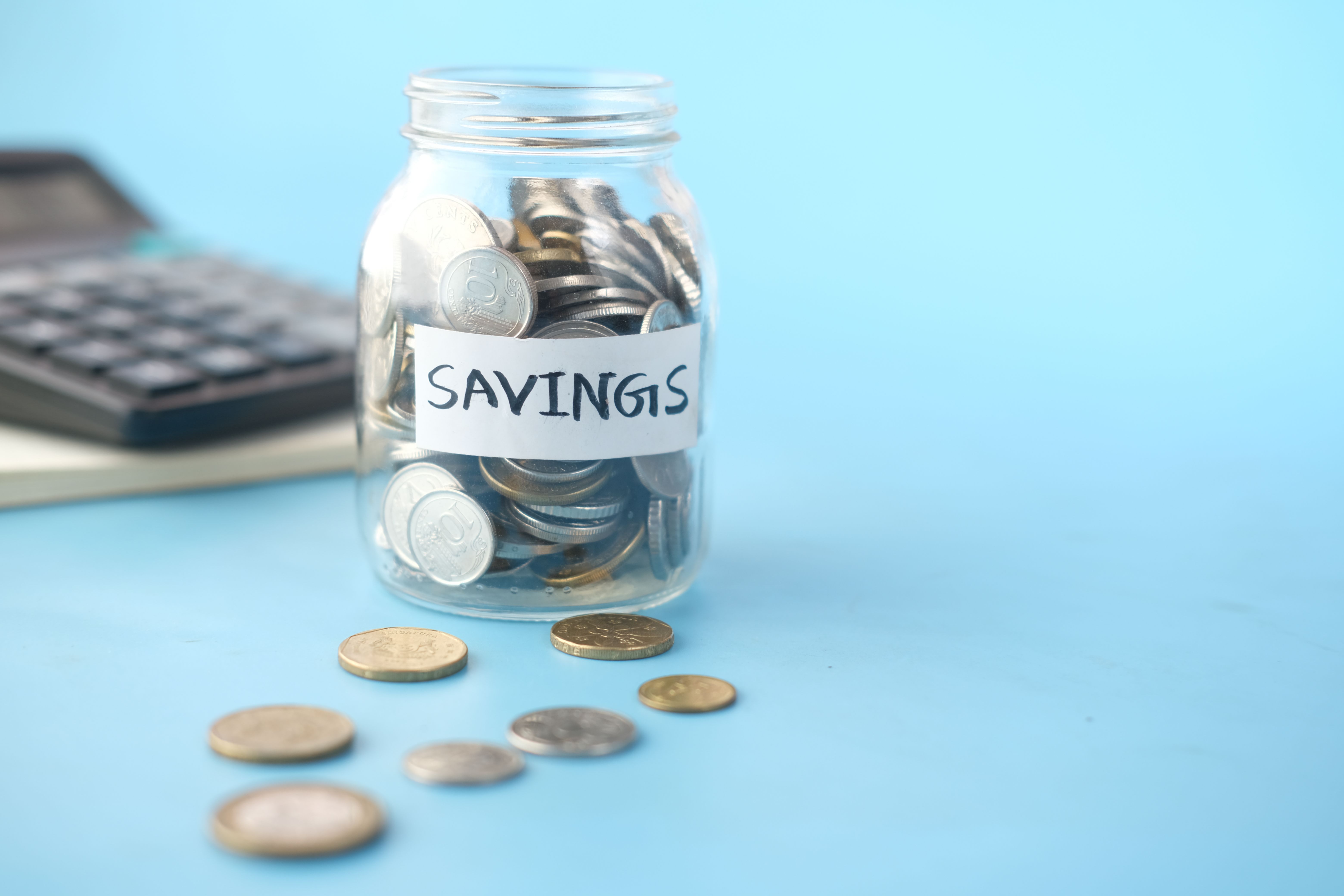
The first thing to do is to decide what you will be saving. It usually takes place in the case of goals where the expenditures that can occur within a short while, such as several months or several years, are considered short-term goals. It becomes easy to know the amount to save as well as the frequency after identifying the purpose of savings.
Common short-term savings objectives are:
- Travel expenses: Saving money for vacation or trips.
- Household items: Money saved for furniture, electrical appliances, or gadgets.
- Educational expenditure: Saving money towards educational expenses such as tuition fees.
- Annual expenditures: For insurance premiums or other annual expenses.
- Occasional expenditures: Money saved for festivals and other family functions.
2. Calculate How Much You Need to Save

After identifying your goal, work out how much you need to set aside. Consider the expected expense, your current savings and the time available.
For example, suppose you want to save ₹60,000 for a planned expense within 12 months. If you have already saved ₹12,000, you need another ₹48,000. This means you would need to set aside approximately ₹4,000 every month.
A simple calculation can help you understand whether the target is manageable. If the required monthly contribution is too high, consider extending the timeline or adjusting the expense budget.
3. Compare Deposit Options Before Investing
After determining your savings objectives, seek out a deposit scheme that suits your objective. The fixed deposit scheme involves putting money for a specific duration of time and getting interest at a set rate.
The fixed deposit app can help you compare various schemes without physically visiting the different branches of banks. Some of the information you should consider before choosing a particular scheme includes:
- Rate of interest: Compare the rates offered by different banks.
- Deposit amount: See if the amount needed is within your reach.
- Duration: Choose one that suits your savings objectives.
- Total maturity amount: Consider the total amount that will be received after the fixed period ends.
- Payout of interest: Whether the interest is paid periodically or compounded to the principal.
4. Choose a Tenure That Matches Your Goal

The tenure of fixed deposits must match the date of requirement of the money. An investment for a period that is longer than the actual requirement of the investor can create problems as the investor may need the money earlier than anticipated. FD saving app for fixed deposits may assist users to understand the various tenure options and maturity information. However, the period options for deposits vary from institution to institution.
When making a fixed deposit, it is necessary to know whether an early withdrawal is allowed and the implications thereof. This is especially important when saving for expenses with fixed dates of payments.
5. Monitor Your Savings Progress Regularly
Keeping track of your savings allows you to evaluate if you are on your way to reaching your financial objective. This can be made easy through digital means by showing information on deposits, transactions, and dates of maturity.
You may wish to reconsider your savings strategy each month or any time your finances change. Find out if you have enough set aside to reach your objective.
6. Check the Platform’s Security and Deposit Conditions

Convenience should not be the sole criteria for choosing an online investment portal. Ensure that you know about the bank or financial institution receiving your deposits and also know about the regulations it complies with.
In case of deposits made in banks, know about the DICGC cover available. The eligible deposits receive insurance cover of ₹5 lakh per depositor per bank, which includes interest and principal as well.
Further, ensure that the platform offers sufficient security and privacy policies. Check if it offers any official receipt regarding the deposit, as well as the interest and period.
Conclusion
It becomes easy to manage one’s savings in case he or she has a definite aim and also has an appropriate investment scheme. The fixed deposits may prove useful in allowing people to save money for their future expenses along with earning interest within a particular time frame. The Jio Finance platform may be considered for examination when analysing available financial services for making deposits. One must compare the interest rates, maturity periods and withdrawal policies before making an investment decision.