

Step behind the digital curtain to see how developers deliver live casino streams directly to your smartphone. Synchronizing real dealers, video feeds and interactive betting interfaces requires a level of technical precision that most players never see.
Every time you open a live dealer platform on your phone, a complex chain of systems starts working in the background. Placing a bet while watching a real person spin a roulette wheel thousands of miles away may feel simple, but making it happen requires careful engineering.
High-definition video, real-time data processing and interactive digital controls all have to work together without noticeable delays.
Cracking the Latency Barrier

When you play a live dealer game, even a half-second delay can affect the experience. Engineers reduce this lag by using video encoding protocols designed specifically for real-time interaction. Standard streaming formats are less suitable because they often prioritize buffering and uninterrupted playback over immediate responses.
Instead, developers can use technologies such as WebRTC to keep the video feed closely synchronized with the interactive interface. When you place a digital chip on the table or select a betting option, the system must register that action almost immediately.
Maintaining a continuous, lightweight data pipeline helps keep those interactions responsive while ensuring the video frames remain aligned with the digital elements on your screen.
High-efficiency video coding also helps keep data consumption manageable without sacrificing visual quality. Video packets can adjust according to your current network speed, reducing the risk of freezes when connectivity changes during a casino session.
Engineering Seamless Mobile Connections
Mobile environments create additional challenges because network signals fluctuate and smartphones vary widely in processing power. When you use a casino application such as the Betway Ghana app on your smartphone, the underlying code is designed to reduce unnecessary data overhead and maintain stability across changing network conditions.
Modern software architectures can keep the platform connected when your phone moves between Wi-Fi and cellular data. Ideally, you barely notice the transition. Behind the scenes, connection management systems work to prevent interruptions while maintaining communication between your device and the platform’s servers.
The Architecture of Instant Synchronization

Live dealer systems depend on close synchronization between events at the physical table and the information displayed on your screen. Optical Character Recognition software can scan physical cards, roulette wheels and other game elements, converting visual information into digital data within milliseconds.
That information is transmitted to central servers and connected mobile devices. On platforms such as the Betway Ghana app, you may see the dealer place a card on the table while the corresponding value appears on the digital interface almost immediately.
Keeping these elements aligned is essential to maintaining transparency and allowing players to follow each stage of a game.
Behind the scenes, several processes occur during every round:
- High-speed cameras capture the physical outcome of the game.
- Visual recognition software processes the result and converts it into digital information.
- Central systems verify digital chips and bets against the physical table’s state.
- The mobile interface updates account balances and displays the relevant game animations.
Hardware and Edge Infrastructure Support
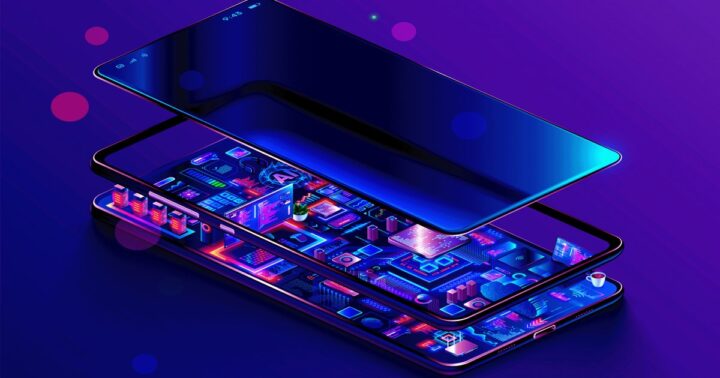
The technology supporting mobile live dealer games extends far beyond the smartphone in your hand. Global server networks and edge computing infrastructure handle much of the backend processing required to keep games running.
By locating computing resources closer to players, developers reduce the physical distance that information must travel. You experience faster response times because requests can be processed by nearby infrastructure rather than traveling to a distant central server.
Distributed data centers also handle large numbers of requests simultaneously. Load-balancing systems direct traffic toward available computing resources, helping prevent individual servers from becoming overwhelmed. If one part of the network experiences technical difficulties, traffic can be redirected to another node.
Mobile architectures, including those supporting the Betway Ghana app, also use security layers to protect transactional information as it moves between smartphones, servers and live casino studios. Encryption and secure communication protocols help reduce the risk of sensitive information being intercepted while data travels across the network.
Optimizing User Interface Ergonomics
Designing a virtual casino table for a five-inch screen presents a very different engineering challenge. Developers need to fit betting grids, video feeds, live chat features and account information into a limited amount of space without making the interface difficult to use.
You interact with gesture controls, expandable panels and collapsible menus that keep secondary information hidden until you need it. These design decisions help prevent the screen from becoming overcrowded while keeping important controls accessible.
Button placement also requires extensive testing. A betting interface must allow you to make accurate selections with a thumb while reducing the likelihood of accidental touches. Developers test spacing, button sizes and menu positions across different devices because a layout that works on one screen may be awkward on another.
Platforms running the Betway Ghana app demonstrate how live video, digital interfaces and distributed infrastructure can be combined within a mobile environment. What appears to be a straightforward live table on your screen depends on video compression, real-time data processing, edge computing, interface design and network management working together.