

Boston weather hits hard and fast. A February blizzard buries the city. July humidity makes breathing feel like swimming.
November winds scatter trash across parking lots. Each season hammers workplaces with different problems that never really end.
Winter’s Salt and Slush Invasion

That first snowstorm changes everything. Salt crystals spread across lobby floors. Boots drip brown slush onto carpets that were clean five minutes ago.
The white residue creeps up walls and clings to furniture legs. Salt does more than look bad. It chews through floor wax. Eats metal doorframes.
Destroys carpet fibers one crystal at a time.
Meanwhile, melting snow finds cracks nobody knew existed. Water damage starts small, then explodes into expensive repairs by March.
Heating systems blast dry air that cracks skin and sparks static. Papers stick together. Computers glitch. Everyone shocks each other shaking hands.
The building feels angry, zapping anyone who touches a doorknob. Workers bring humidifiers that breed bacteria. Nothing works quite right from December through February.
Outdoor crews clearing walkways face their own risks, too; OSHA’s winter weather guidance outlines the slip, fall, and cold-stress hazards employers need to plan around before the first storm hits.
Spring’s Pollen and Mud Season
Yellow dust invades in April. Pollen blankets cars, windows, desks. Everything turns golden-green. Productivity tanks while everyone fights runny noses and itchy eyes.
Mud season makes things worse. Rain mixes with leftover sand from winter. The resulting muck sticks like cement to shoes. Janitors mop constantly but lose the battle. Brown footprints mark every hallway.
Boston spring plays games with temperature. Monday needs heat. Tuesday wants air conditioning. Wednesday can’t decide. Buildings wheeze trying to keep up.
Dust flies out of vents. Forgotten debris from winter shoots across offices. The whole system struggles while energy bills climb.
Summer’s Humidity and Pest Problems
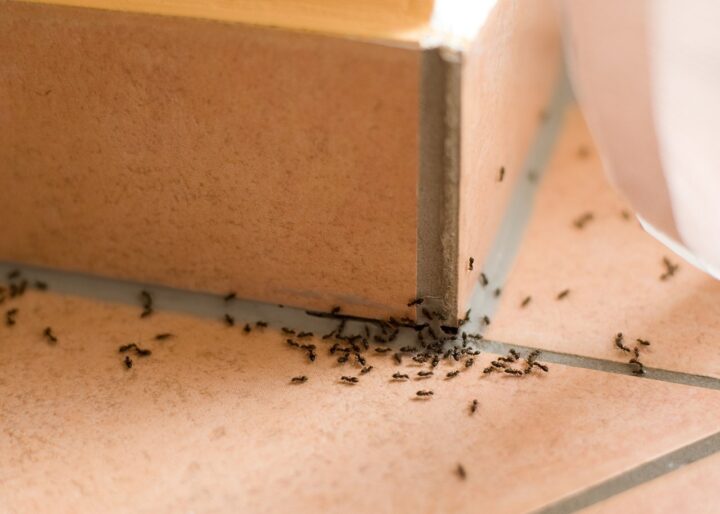
Moisture hangs in the air. Everything feels wet. Door handles get slippery. Papers curl. Mold parties in bathroom corners and behind filing cabinets. Bugs show up uninvited.
Ants form highways to the kitchen. Fruit flies hover over trash cans. Something dies in the walls and stinks for weeks.
Food rots faster. Milk spoils. The refrigerator can’t keep up with people opening it every five seconds for cold drinks.
Air conditioners drip. Puddles form under units. Ceiling tiles develop suspicious brown spots. The temperature difference between inside and outside creates walls of uncomfortable air near entrances.
Some offices freeze while others bake. Nobody’s happy. Complaints pile up faster than maintenance can address them.
As the EPA notes, controlling moisture is the only real way to control mold, which means those drip pans and damp ceiling tiles can’t wait until next month’s maintenance round.
Fall’s Leaves and Temperature Swings
Pretty leaves become indoor nightmares. They stick to everything. Vacuum cleaners clog. Leaf fragments embed in carpet fibers and won’t let go.
October can’t pick a personality. Frost warnings at dawn become t-shirt weather by lunch. The thermostat becomes a battleground. Someone’s always too hot or too cold.
Germs start their annual world tour through offices. September’s back-to-school bugs arrive first. October brings whatever’s going around.
Office upgrades can help keep workplaces cleaner, healthier, and more comfortable throughout the fall season.
November starts flu season early. Sick days pile up. Projects fall behind.
Professional Solutions for Year-Round Challenges

Boston companies that thrive despite seasonal chaos invest in serious cleaning strategies. Working with commercial cleaning services makes sense when facing Boston’s weather extremes.
All Pro Cleaning Systems brings decades of local experience, helping businesses tackle everything from February’s salt invasions to July’s humidity disasters with customized approaches that actually work.
Expert cleaners anticipate problems before they explode. Prevention costs less than emergency fixes every time.
Conclusion
Four seasons means four different fights for Boston workplaces. Salt and slush. Pollen and mud. Humidity and bugs. Leaves and germs. The cycle never stops spinning.
Businesses that accept and prepare for this reality operate smoothly. Those that pretend weather won’t affect them learn expensive lessons.
Strategic cleaning and maintenance simplify seasonal challenges. Despite Boston’s harsh climate, your workplace can stay comfortable.