
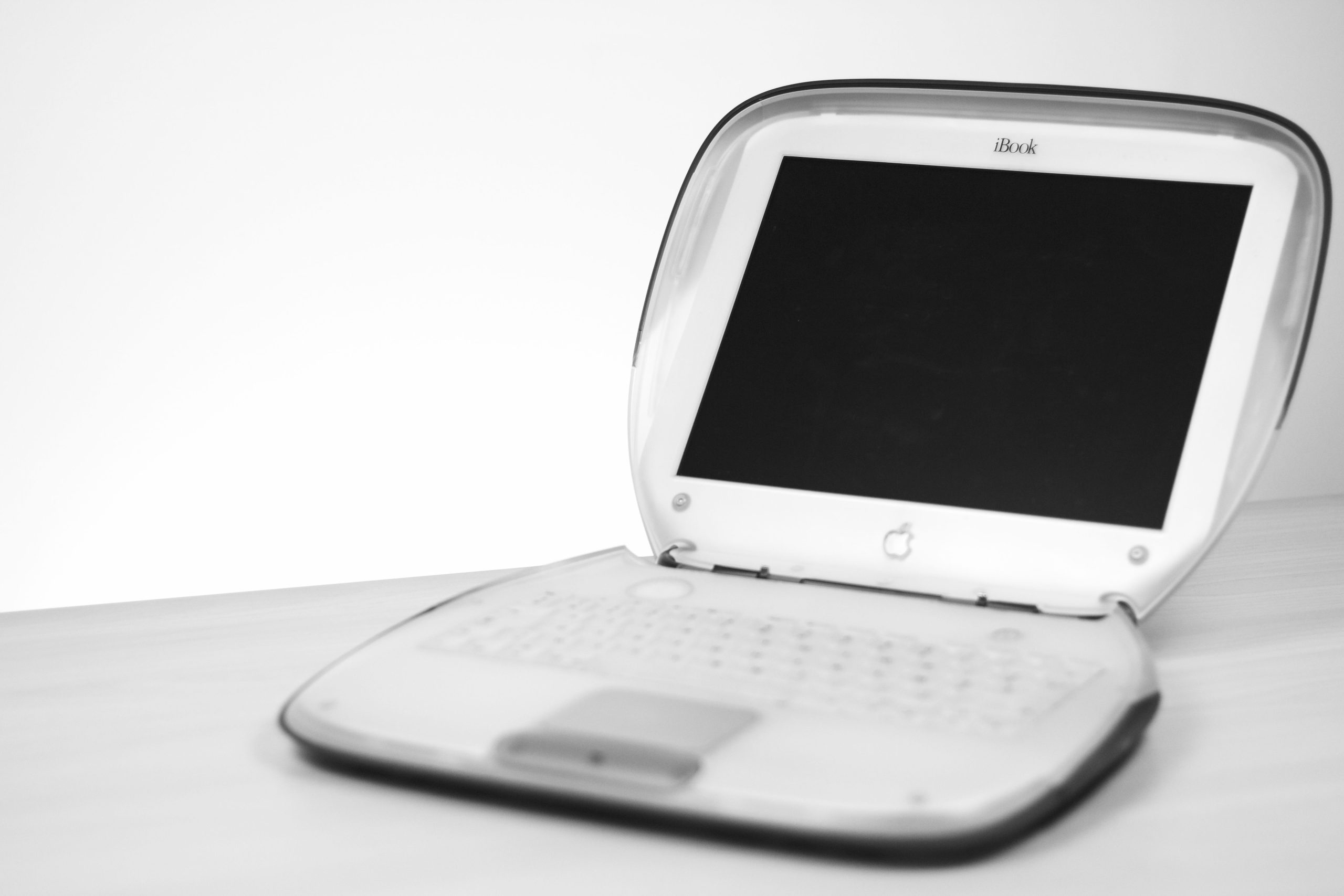
A few years ago, replacing a laptop was usually something people did because their existing machine had stopped working properly. Today, the decision is often influenced by something entirely different. A new model arrives, the advertising promises a better experience, and suddenly the computer that seemed perfectly adequate last week begins to feel outdated.
It’s a familiar cycle, and one that has helped create a culture where electronic products are frequently replaced long before they have reached the end of their useful lives. Yet as consumers become more conscious of their spending and environmental impact, there’s growing reason to question whether the newest technology always represents the best purchase. The answer depends less on the age of a device than on what someone actually needs it to do.
The Difference Between Wanting and Needing an Upgrade
Technology companies invest enormous resources into developing new products, and many of those improvements are genuinely impressive. Modern laptops can offer extraordinary processing power, high-resolution displays and batteries capable of lasting through a full working day. However, advances in computing don’t necessarily translate into noticeable improvements for every user.
Someone working with complex design software, producing professional video content or running demanding applications may benefit considerably from the latest hardware. For a person who spends most of their time browsing websites, checking emails, preparing documents and making occasional video calls, the difference may be far less significant. This creates an interesting contradiction. Computers are becoming increasingly powerful, yet many of the tasks we perform haven’t changed dramatically.
A laptop manufactured several years ago may still comfortably handle the everyday requirements of a student, office worker or small business owner. Provided the machine remains compatible with necessary software and receives appropriate security support, there may be little practical reason to replace it.
The challenge is recognising when an upgrade offers genuine value and when it merely satisfies the desire to own something newer.
Why a Lower Price Doesn’t Have to Mean Lower Quality
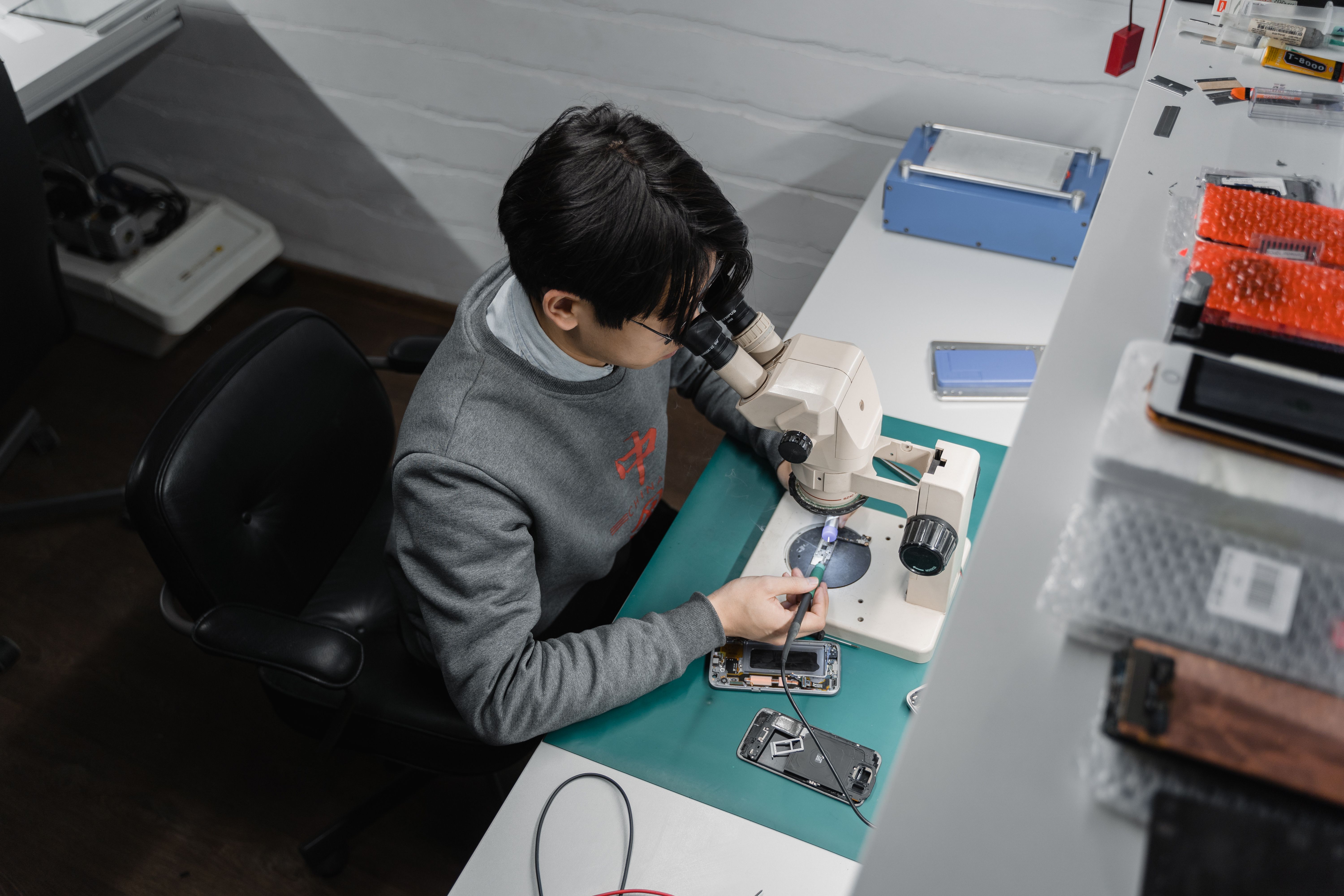
One of the biggest misconceptions surrounding second-hand technology is that a previously owned computer must somehow be inferior to a new one. Certainly, there are risks associated with buying used electronics. Batteries deteriorate, components occasionally fail and older machines may have suffered physical damage. But these problems aren’t necessarily present in every device, and their likelihood can be assessed through appropriate testing. This is one reason professionally refurbished technology has become an alternative worth considering.
Refurbishment generally involves examining a previously owned device, identifying faults and preparing it for another owner. The precise work carried out depends on the retailer, but it may include cleaning, component testing, battery assessments and repairs where necessary.
Not every refurbished computer is restored to an identical standard, which makes the seller’s reputation and the information accompanying the product particularly important. A laptop showing minor cosmetic wear could still be in excellent working condition. Conversely, an immaculate-looking machine might have a worn battery or limited software compatibility.
Understanding the difference between appearance and functionality allows buyers to concentrate on what actually matters.
The Financial Argument Is Becoming Harder to Ignore
For many households across the UK, managing everyday expenses involves making deliberate choices about where money is spent.
Technology has become one of those unavoidable costs. Children need computers for homework, adults rely on them for employment and household administration, and older relatives increasingly use digital services to access information and stay connected. When several members of a household require suitable devices, buying everything new can become expensive.
Older and refurbished equipment can provide a way to reduce that cost without necessarily compromising on everyday usability. A machine that originally sold at a premium price may become significantly more affordable after a few years, even though much of its original functionality remains intact.
The potential advantages extend beyond households. Independent businesses, charities and community organisations often need dependable computers but must work within restricted budgets. For these organisations, spending less on equipment could free up money for other priorities, whether that’s improving services, purchasing supplies or supporting local activities.
Of course, price alone shouldn’t determine a purchase. A computer that costs less initially but requires frequent repairs may ultimately prove more expensive than a reliable alternative.
The sensible approach is to consider the total cost of ownership, including expected lifespan, maintenance requirements and available warranty protection.
Technology and the Problem of Unnecessary Waste
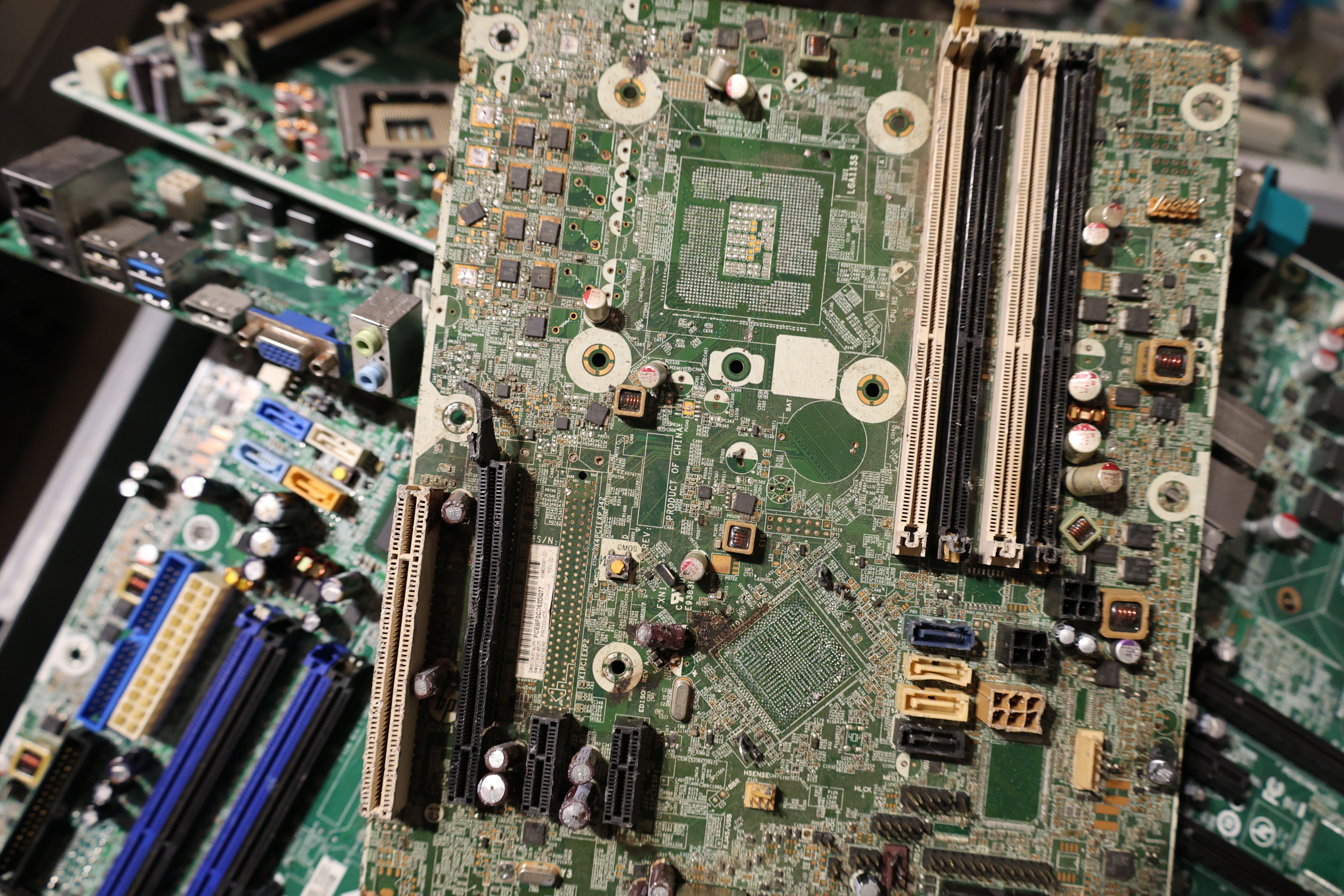
There is also a wider issue associated with the constant replacement of electronic products. Computers contain materials that require considerable resources to obtain and process. Their production involves complex manufacturing systems, international transportation and energy consumption long before the finished devices reach consumers.
When a working laptop is discarded simply because a newer version exists, the environmental cost of producing its replacement must also be considered.
Recycling helps recover valuable materials from equipment that can no longer be used. However, extending the lifespan of a functioning device can delay the need for recycling and reduce demand for additional manufacturing. This principle fits into a broader movement towards using resources more efficiently.
Whether it’s repairing household appliances, purchasing pre-owned furniture or choosing reusable products, the underlying idea is similar: getting more value from something before replacing it. For communities already making efforts to reduce household waste, reconsidering technology purchases is another practical opportunity to support more sustainable habits.
It doesn’t require abandoning modern conveniences or accepting equipment that no longer performs adequately. Instead, it involves recognising that useful products shouldn’t automatically be considered disposable.
What Makes an Older Laptop Worth Buying?
Finding good value in refurbished technology requires more than comparing prices. A little research can help establish whether a particular machine represents a worthwhile investment.
The most important considerations include:
- Performance: Check that the processor and memory are suitable for the applications you intend to use.
- Battery condition: Establish whether the battery has been tested and whether its remaining capacity meets your needs.
- Software compatibility: Make sure the device supports the operating system and essential software you require.
- Physical condition: Understand the seller’s grading system and whether visible wear affects functionality.
- Warranty and returns: Look for clear terms that explain your options if problems develop.
- Seller reliability: Choose a supplier that provides transparent descriptions and details about its refurbishment standards.
These checks can be particularly helpful when purchasing premium laptops that retain a reputation for quality long after their original release.
They also encourage a more informed approach to spending. Instead of judging a product by its original retail price or the prestige of its brand, buyers can assess whether it offers the right combination of performance, condition and value.
A More Sensible Way to Think About Ownership
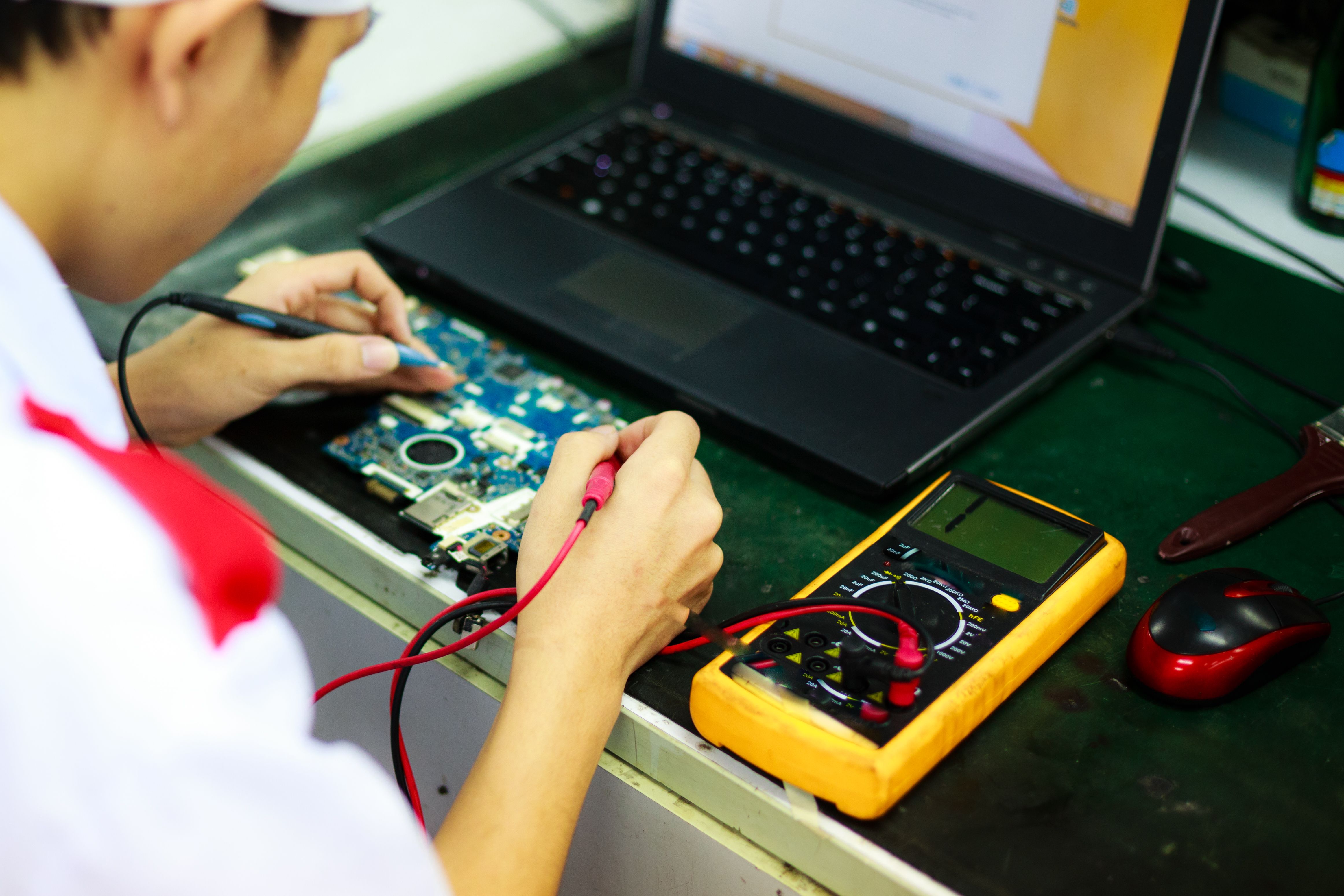
Perhaps the biggest benefit of the refurbished technology market is that it challenges the assumption that ownership must begin with a brand-new product.
For someone who wants the familiar design and operating system of an Apple laptop without paying the current retail price, a refurbished MacBook could be an attractive option. Selecting an appropriate model, checking its condition and confirming software support can make the difference between a useful long-term purchase and an expensive disappointment.
The same reasoning applies to numerous other electronic products. A device doesn’t become worthless when its first owner decides to upgrade, and a newer alternative isn’t automatically more suitable for everybody.
As technology continues to develop, consumers may benefit from changing the questions they ask before making a purchase. Rather than focusing exclusively on which model has the newest features, it may be more useful to consider which device will reliably perform the required tasks for the longest reasonable period.
Ultimately, buying wisely isn’t about always choosing the cheapest option or refusing to embrace new technology. It’s about recognising genuine value, avoiding unnecessary expenditure and making better use of the resources already available. Sometimes the most practical upgrade is simply giving an older device another opportunity to do its job.