

Walk into any conversation about office ergonomics and within sixty seconds someone will bring up chairs. Lumbar support, mesh backs, seat depth, armrest height — the ergonomic chair has become the default symbol of a thoughtful workspace.
But there’s a growing body of evidence, and a growing chorus of workplace designers, suggesting that the chair debate is a distraction. The more consequential decision happens before you ever sit down: what kind of desk are you working at?
The Chair Gets the Credit, the Desk Does the Work
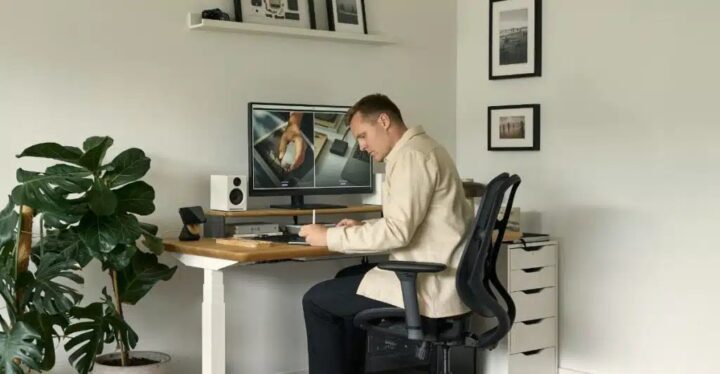
Ergonomic chairs became a cultural shorthand for “taking employee health seriously” sometime in the early 2000s, and the marketing muscle behind premium seating brands has kept that narrative alive ever since.
The problem is that a great chair can only optimize the experience of sitting — it does nothing to address how much of the day you’re doing it.
The average office worker sits for roughly 10 hours a day when you factor in both work and leisure time. Research from the American Journal of Epidemiology and other long-term studies has connected prolonged sedentary behavior to increased risks of cardiovascular disease, metabolic disorders, and musculoskeletal problems — regardless of whether the sitting happens in a $200 task chair or a $1,500 one. The chair, however well-engineered, is solving for comfort within a problem it isn’t designed to eliminate.
Why the Desk Is the Real Lever
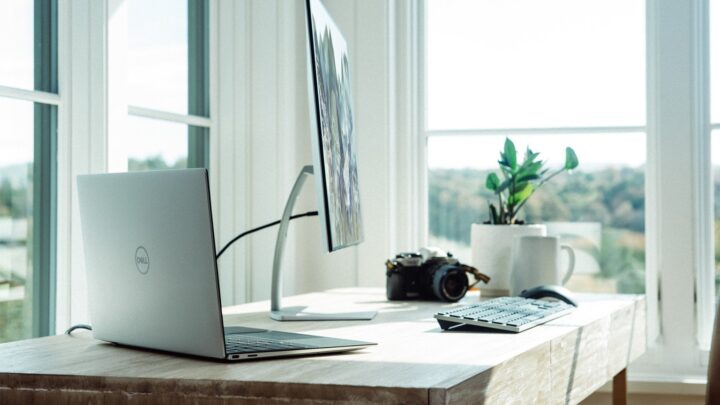
A desk determines your physical relationship to your work in a way that no chair can override. If a surface is fixed at the wrong height, you’ll compensate — hunching, craning your neck, rolling your shoulders forward — and no amount of lumbar support corrects for that upstream misalignment.
More importantly, the desk is the only piece of furniture that can fundamentally change your posture equation across the entire workday. This is why the shift toward height-adjustable standing desks has gained so much traction in both corporate office design and home office setups over the last several years.
Unlike a premium chair, a sit-stand desk doesn’t just make one position more comfortable — it allows workers to alternate between positions entirely, which is where the real health and productivity case starts to build.
Studies from institutions including the Texas A&M Health Science Center have found that workers using sit-stand desks were significantly more productive over the course of a workday compared to those using traditional seated setups. Separate research has linked regular posture changes throughout the day to reduced fatigue, better concentration, and lower rates of reported back pain.
What to Actually Look for Before You Buy
Not all standing desks are created equal, and the category has expanded enough that the options can feel overwhelming. A few factors worth prioritizing:
Stability at height. Many budget options wobble noticeably when raised, which becomes a real problem if you’re using dual monitors or doing any kind of precision work. Test or research stability ratings before committing.
Transition speed and noise. Electric models vary significantly in how quickly and quietly they move between heights. In shared or open-plan offices, this matters more than buyers often anticipate.
Memory presets. The ability to save your preferred sitting and standing heights sounds like a minor convenience until you’re manually searching for your ideal position six times a day.
Surface depth. Standing desks are often reviewed for their width, but depth is equally important — particularly if you prefer your monitor further from your face when standing than when seated.
Weight capacity. Heavier workstation setups with multiple monitors, laptop docks, and desktop computers can push the limits of lighter frames. Check the rating against your actual setup, not a hypothetical one.
The Hybrid Work Effect
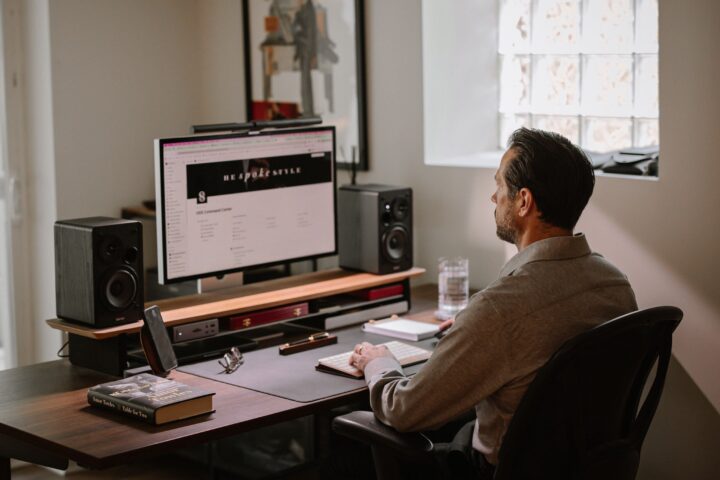
The sustained shift toward hybrid and remote work has created an interesting dynamic in the office furniture market. Employees who once relied on employer-provided workstations are now making independent purchasing decisions — often for the first time — and they’re doing it with more information and higher standards than previous generations of home office buyers.
That dynamic has accelerated demand for standing desks specifically. A fixed-height desk made sense when a home office was an occasional-use space. When that same desk becomes a 40-hour-a-week commitment, the calculus changes. People who spent years tolerating an imperfect setup are now willing to invest in getting it right — and increasingly, that investment starts with the desk.
Rethink the Starting Point
The ergonomic chair is not a bad investment. But for most workers, it shouldn’t be the first one. If you’re looking to meaningfully improve how you feel and perform across a full workday, start by asking what your desk is actually doing for you — and whether it could be doing more.