
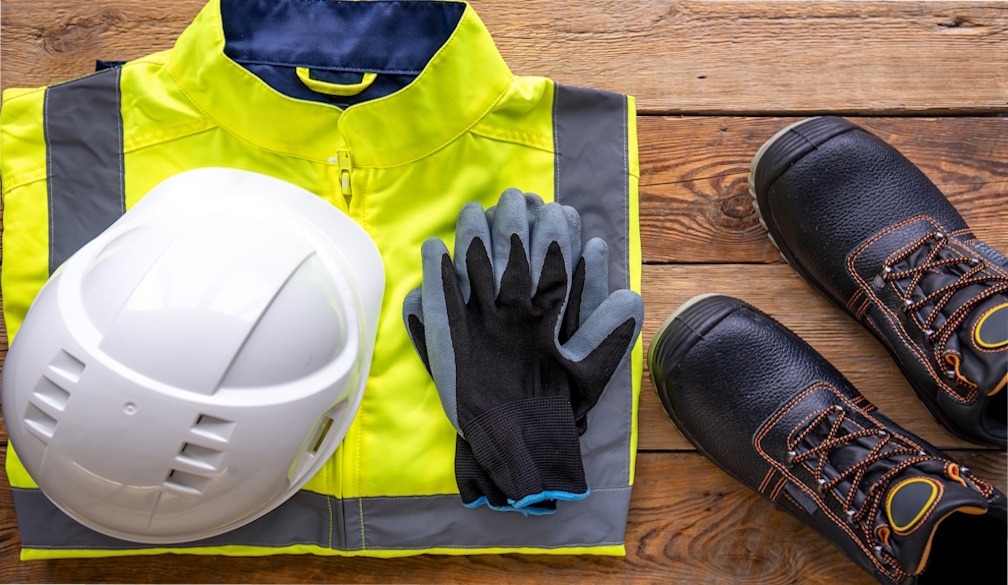
Across construction sites, industrial facilities, and maintenance projects, safety is not optional it is part of the job.
From electricians and plumbers to carpenters and general laborers, proper head protection reduces injury risk and allows workers to perform confidently in unpredictable environments.
The Reality of Job-Site Hazards in the Trades
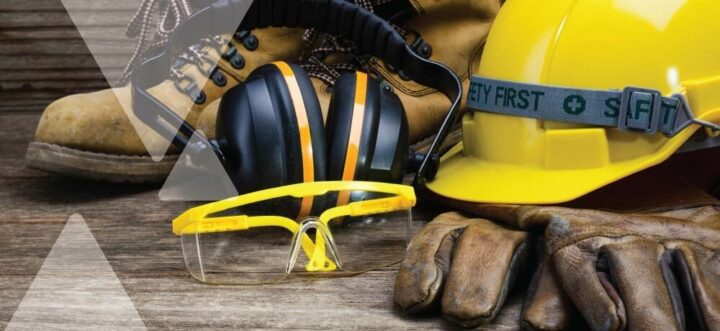
Trades work environments are constantly changing. Materials move, structures evolve, and multiple teams operate at once.
Even on smaller jobs, hazards can appear without warning.
For trades professionals working around heavy equipment, overhead materials, and active job sites, wearing a construction hard hat is one of the most critical safety measures available.
Common job-site dangers include:
- Falling tools or debris
- Low-hanging beams and ductwork
- Swinging loads from cranes or lifts
- Slips, trips, and falls
- Electrical exposure
- Vehicle and machinery traffic
Head injuries are among the most serious workplace injuries and often lead to long recovery times or permanent damage. Proper headwear significantly reduces these risks.
What a Construction Hard Hat Is Designed to Do

A hard hat is far more than a plastic shell it is engineered to absorb, distribute, and deflect impact energy away from the skull.
Key protective features include:
- Impact-resistant outer shell
- Internal suspension system that absorbs shock
- Protection from falling and flying objects
- Electrical insulation (depending on class)
- Compatibility with face shields, earmuffs, and lights
When worn correctly, a hard hat creates a protective barrier that can prevent life-altering injuries.
Different Trades, Different Head Protection Needs
Electricians
Electricians face the added risk of arc flash and electrical shock. Class E hard hats provide insulation against high-voltage exposure.
Carpenters
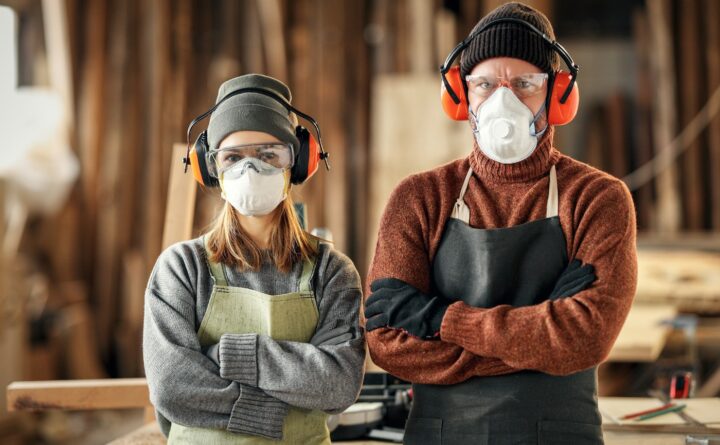
Working around framing, overhead materials, and power tools makes head protection essential, especially in unfinished structures.
Plumbers & HVAC Technicians
Often working in basements, crawl spaces, and mechanical rooms, plumbers and HVAC techs regularly encounter low-clearance hazards.
Roofers
While overhead risks may be lower, slips and falls pose major dangers. Lightweight hard hats protect against impact during falls or debris movement.
Welders & Fabricators
Hard hats paired with compatible welding shields protect from sparks, slag, and heat exposure.
General Construction Laborers
Constant movement of materials and equipment makes head protection non-negotiable.
Why Workers Sometimes Skip Hard Hats And Why That’s Dangerous
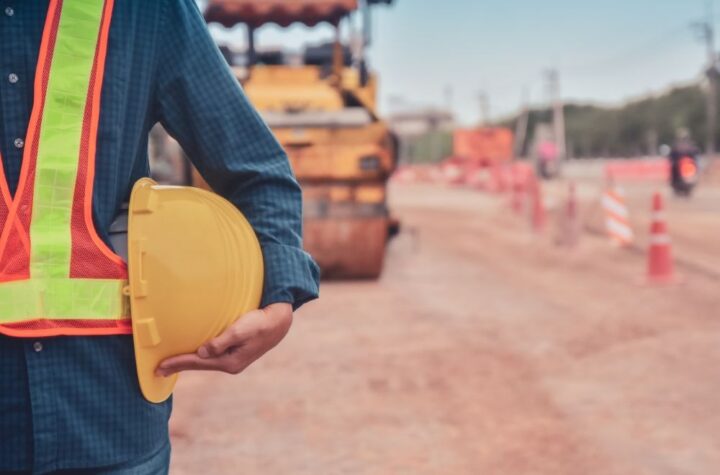
Some tradespeople remove hard hats because they feel unnecessary or uncomfortable.
Common misconceptions include:
- “Nothing is overhead right now.”
- “I’ll only be here for a minute.”
- “I’m experienced I’ll see it coming.”
Unfortunately, accidents don’t announce themselves. Many serious injuries occur during short, routine tasks.
Comfort and Fit Matter for Daily Use
Modern hard hats are designed for long shifts and active work.
Comfort features include:
- Lightweight materials
- Adjustable suspension systems
- Ventilation options
- Moisture-wicking sweatbands
- Secure ratchet fit systems
A properly fitted helmet stays in place and reduces fatigue, encouraging consistent use.
Maintaining and Replacing Hard Hats
A damaged hard hat cannot provide full protection.
Hard hats should be replaced if they show:
- Cracks or dents
- UV damage or brittleness
- Worn suspension systems
- Damage from impact
- Manufacturer expiration (typically 2–5 years)
Daily inspection ensures reliability.
Head Protection as Part of a Complete Safety System
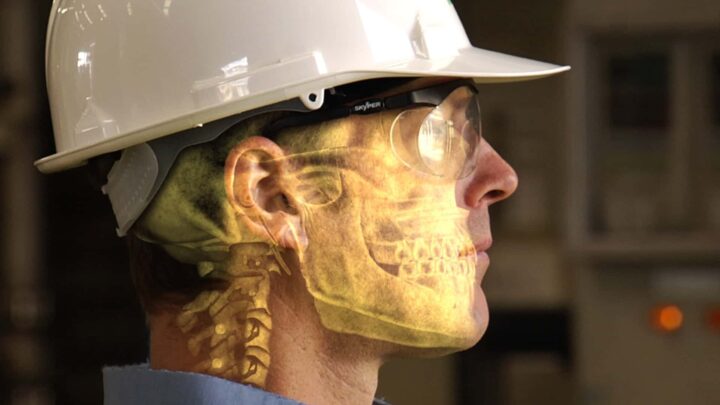
A hard hat works best when combined with other PPE.
Common pairings include:
- High-visibility apparel
- Eye and face protection
- Hearing protection
- Gloves and safety footwear
Safety gear works together to reduce risk from multiple angles.
Final Thoughts
Trades professionals rely on their bodies to earn a living and protecting the head is one of the most important steps in staying safe.
Wearing a construction hard hat isn’t just about compliance; it’s about responsibility, professionalism, and longevity in the trade.
When workers commit to proper gear every day, they protect not only themselves but everyone around them.