
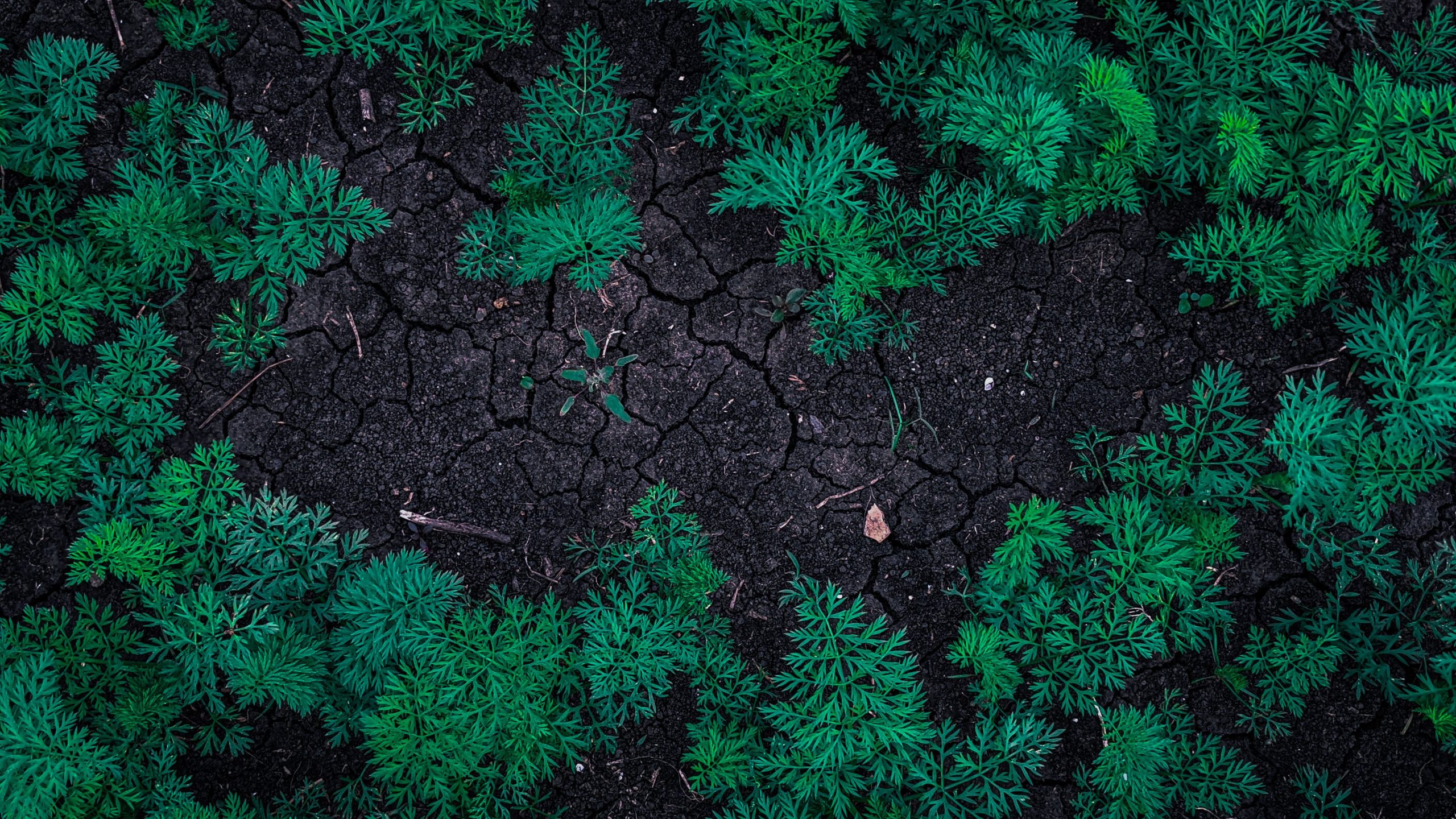
You plant everything at the right time, follow the watering instructions and choose a sunny spot that should be perfect for growing. Yet somehow, your plants never quite deliver the results you expected. The vegetables remain disappointingly small, flowers struggle to establish themselves and certain areas of the garden seem determined to stay bare regardless of what you plant. It’s tempting to blame the weather, poor-quality seeds or simply a lack of gardening experience. But sometimes the real problem has been sitting beneath your feet all along.
Garden soil is far more complicated than it appears. What looks like an ordinary patch of earth is actually a mixture of mineral particles, organic matter, water, air and living organisms, all contributing to the conditions in which plants grow. When those elements are reasonably balanced, roots can develop, moisture can move through the ground and nutrients become available to plants.
When something is wrong, however, the effects may be visible long before the underlying problem becomes obvious. Learning to recognise these warning signs can save gardeners considerable frustration and prevent them from spending money on treatments that don’t address the real issue.
Water Pooling on the Surface or Soil Staying Wet Too Long
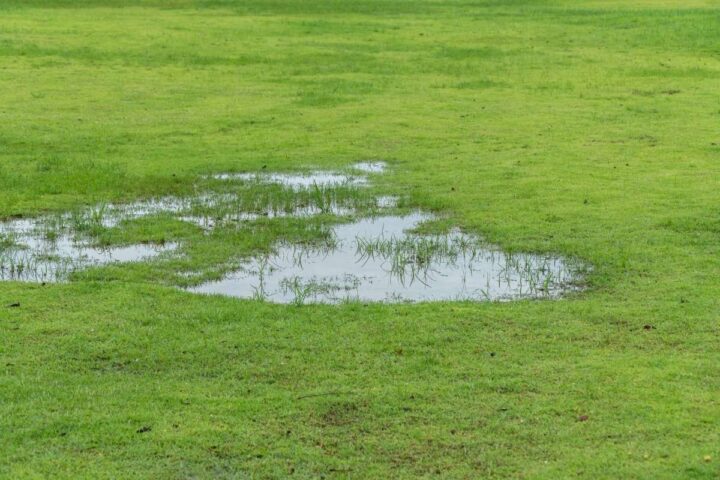
One of the clearest indications of poor soil conditions is water behaving in unexpected ways. Perhaps rainwater collects in puddles that remain long after the weather has improved, or the ground becomes sticky and difficult to work after even a modest shower. These symptoms may indicate poor drainage, compaction or naturally heavy soil that takes longer to dry. Persistent waterlogging is particularly troublesome because plant roots require oxygen as well as moisture. When the spaces between soil particles remain filled with water, roots can struggle to function properly, potentially leading to poor growth, yellowing leaves and increased susceptibility to root diseases.
Before attempting to improve drainage, it’s worth investigating why the water is accumulating. Heavy clay soil naturally holds more moisture than sandy ground, but that doesn’t necessarily mean it needs extensive digging or expensive drainage work. Sometimes the problem develops because people regularly walk across growing areas, gradually compressing the soil and reducing the spaces through which water would normally travel. In other situations, runoff from paving, poorly positioned downpipes or a naturally low section of the garden may be responsible. Identifying the cause is important because adding compost or cultivating the surface won’t necessarily resolve a deeper drainage problem.
Soil That Dries Out Too Quickly
At the opposite extreme, some gardens seem incapable of holding onto moisture. Water disappears almost immediately after application, and plants begin wilting again despite regular attention. This commonly occurs in sandy soils, where larger particles allow water to drain relatively quickly. While good drainage is generally desirable, excessively free-draining ground can leave plants struggling during warm weather, particularly when their roots haven’t yet become established. Nutrients may also be washed through the soil more readily, making it difficult to maintain consistent growing conditions.
Improving moisture retention usually requires a gradual approach rather than a dramatic one-off treatment. Adding suitable organic matter can help support soil structure and improve its ability to retain water. Mulching around established plants can also reduce evaporation from the surface, particularly during prolonged dry periods. Gardeners should avoid assuming that more frequent watering is always the solution, since watering techniques, plant selection and the condition of the soil all influence how effectively moisture reaches the roots.
Hard, Compacted Soil That Limits Root Growth
Another revealing sign is the amount of resistance encountered when digging or planting. Healthy soil doesn’t necessarily need to be extremely loose, but roots should generally be able to penetrate it without encountering widespread, densely compacted layers. If a garden fork is unusually difficult to push into the ground, or if plants develop shallow root systems despite suitable moisture conditions, compaction could be contributing to the problem. This is especially common in areas exposed to repeated foot traffic, building work or heavy machinery, although some naturally dense soils may also feel difficult to work.
Compaction isn’t always visible from the surface. A garden bed may appear reasonably workable in the upper few centimetres while a harder layer underneath restricts root development and water movement. Carefully examining a small section of soil can reveal whether roots are penetrating deeply or spreading sideways when they encounter resistance. Where compaction is present, the appropriate response depends on its severity and location. Reducing foot traffic, improving soil structure with organic matter and using permanent paths can help prevent further problems, while more substantial intervention may occasionally be necessary where deeper layers are severely affected.
Yellowing Leaves, Weak Growth and Soil Nutrients
The colour and appearance of plant leaves can provide additional clues, although interpreting them requires care. Yellowing foliage, slow growth and weak stems are sometimes associated with nutrient deficiencies, but these symptoms can also result from poor drainage, root damage, pests or unsuitable growing conditions. Applying fertiliser immediately may therefore achieve very little if the plants cannot absorb nutrients effectively. A soil test can help establish whether pH or nutrient availability is likely to be contributing to the problem, making it easier to select appropriate treatments rather than relying on guesswork.
Soil pH deserves particular attention because it influences the availability of different nutrients. Some plants prefer acidic conditions, while others perform better in neutral or slightly alkaline soil. A plant growing in unsuitable soil may struggle even when sufficient nutrients are present. This is why gardeners occasionally find that one type of plant thrives while another repeatedly fails in the same location. Before attempting to alter soil pH, it’s sensible to test the ground and consider whether choosing plants suited to the existing conditions might provide a simpler long-term solution. The RHS guide to soil pH and testing explains how acidity and alkalinity can affect plant growth.
Soil That Is Sticky, Clumpy or Difficult to Work
The way soil behaves during cultivation can also reveal a great deal about its condition. Soil that forms large, stubborn clods or smears into a sticky mass when handled may be too wet to work, particularly if it contains a high proportion of clay. Cultivating in these conditions can damage its structure and create further compaction. Conversely, ground that becomes excessively dusty and difficult to keep moist may need improvements to its organic matter content and protection from prolonged exposure.
For gardeners working with larger vegetable plots or allotments, appropriate machinery can make certain soil preparation tasks more manageable. Equipment available through garden machinery specialists such as Ron Smith can help with cultivation where the ground is suitable, although mechanical intervention should always be guided by the soil’s condition rather than simply the desire to make it look freshly turned.
Using a tiller on excessively wet ground can do more harm than good, while cultivating soil containing persistent perennial weeds may spread their underground roots or stems. Sometimes the most effective decision is to delay work until conditions improve or choose a less disruptive method altogether.
Plants That Keep Failing in the Same Area
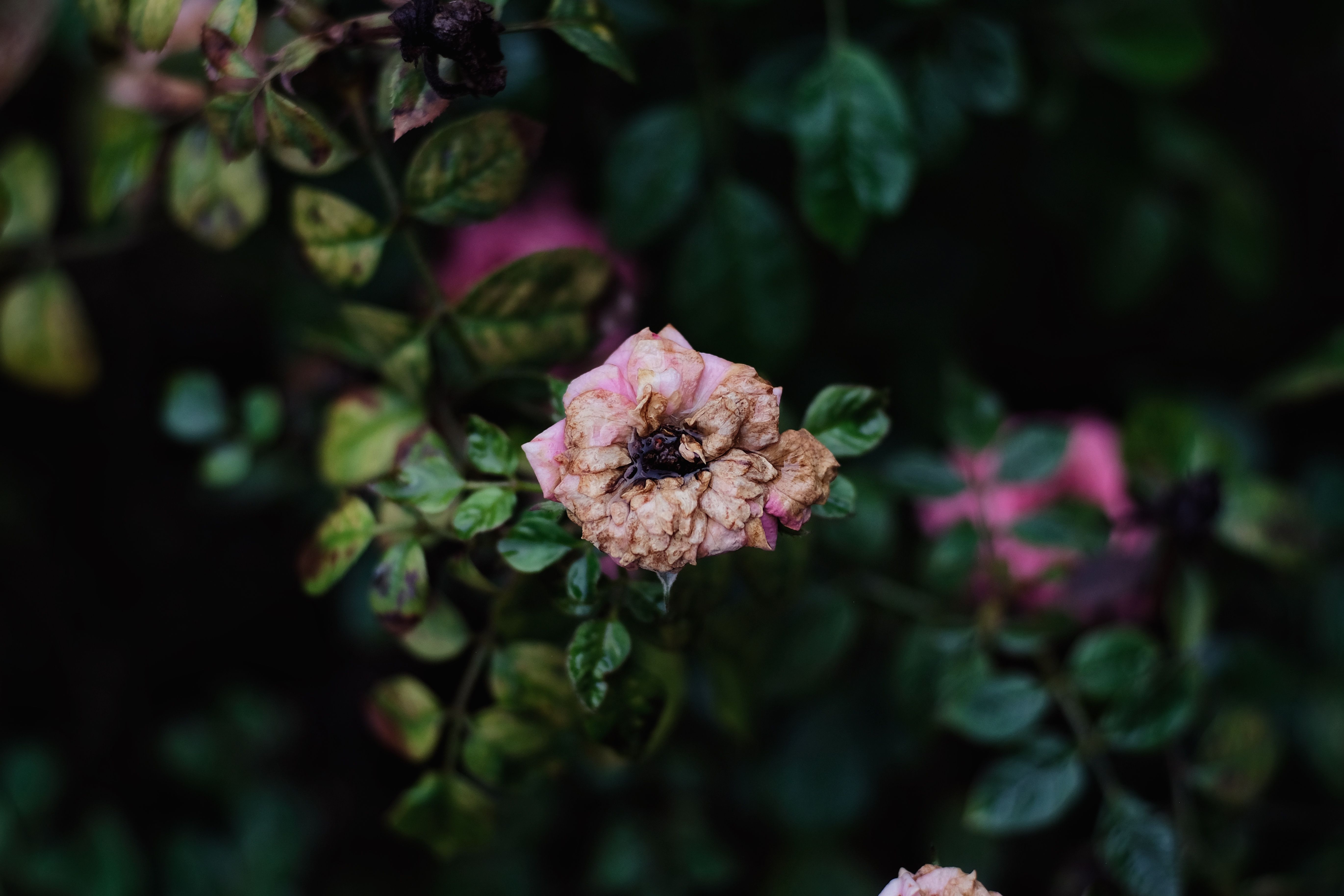
A less obvious indication of soil trouble is the repeated failure of plants in one particular area. Gardeners often respond by replacing unsuccessful specimens with new ones, only to watch the same problems develop again. If several unrelated plants struggle in an identical location, it may be worth investigating the environment rather than questioning the quality of each individual plant. The area could receive less sunlight than expected, collect excess water or contain compacted ground that restricts root growth. There may even be buried construction materials or an unusual soil composition beneath the surface.
Observing what grows naturally in the garden can sometimes offer useful clues. Certain weeds are commonly associated with damp, compacted or nutrient-rich conditions, although their presence alone isn’t enough to diagnose a soil problem. A mixture of healthy plants, earthworms and other soil organisms can be encouraging, particularly when accompanied by good drainage and a crumbly structure. However, the absence of visible earthworms during a brief inspection doesn’t automatically indicate unhealthy soil, since their activity varies with moisture, temperature and season.
Why Different Parts of the Garden Need Different Care
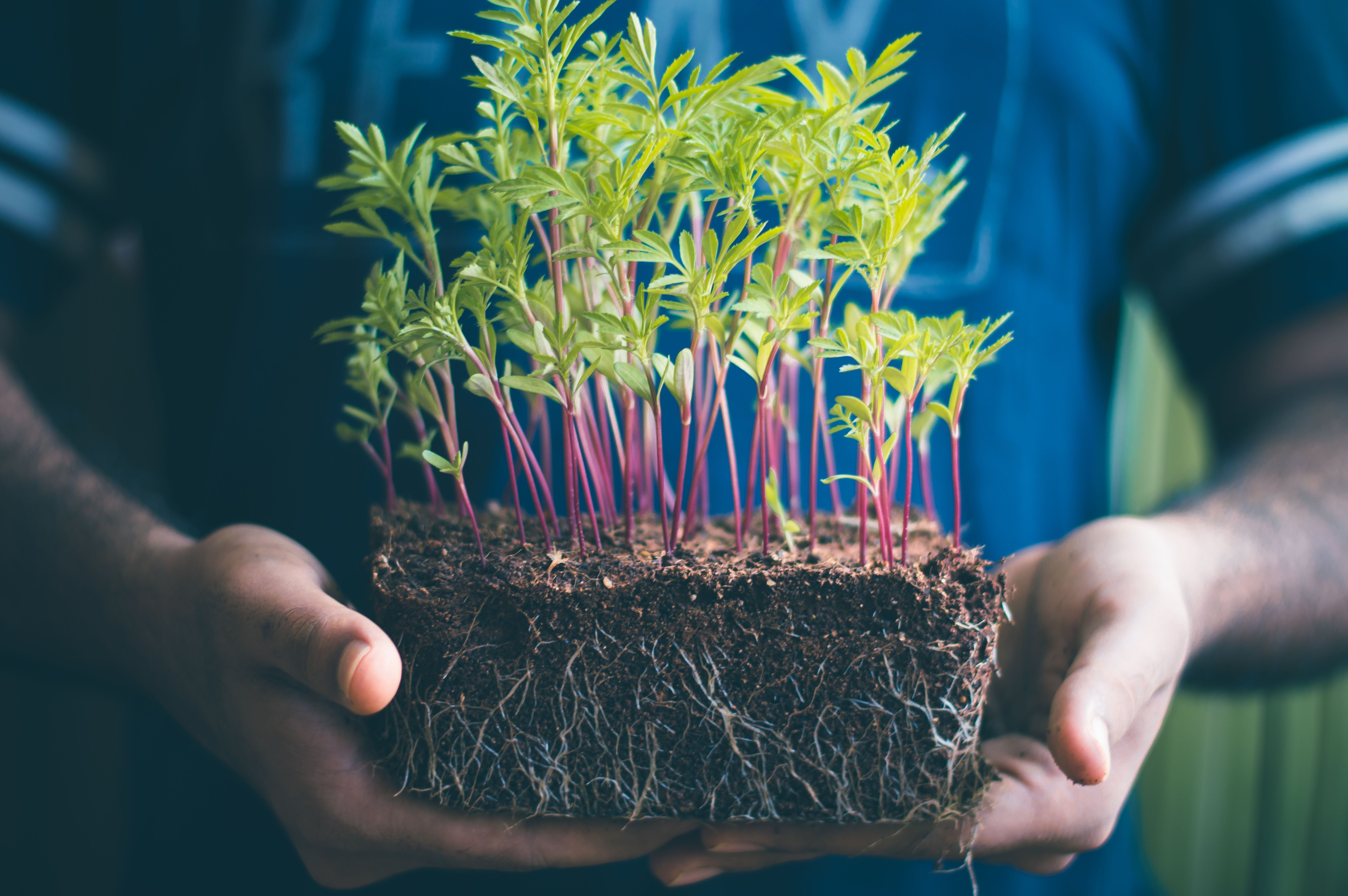
One mistake gardeners frequently make is attempting to improve their entire garden using a single treatment. A large quantity of compost might be spread across every bed, or fertiliser applied uniformly regardless of what individual plants require. Yet different areas can have distinct conditions, even within a relatively small garden. A sunny vegetable patch may dry out quickly, while a shaded border remains damp for much longer. Treating these areas identically can be inefficient and may occasionally make existing problems worse.
It can be more effective to examine the garden as a collection of smaller growing environments. Consider which areas perform well, where problems repeatedly appear and whether those patterns change throughout the year. A simple record of plant performance, drainage and soil conditions can gradually reveal connections that might otherwise go unnoticed. If vegetables consistently struggle in one bed but thrive elsewhere, comparing the two areas may provide useful information about moisture, compaction or soil composition.
How to Improve Soil Health Over Time
Patience is also important because genuine improvements to soil quality often take time. Adding organic matter, reducing unnecessary disturbance and protecting the ground with appropriate mulches can gradually support healthier soil structure and biological activity. These changes rarely produce dramatic overnight results, but their cumulative effect can make gardens easier to maintain and more productive over successive growing seasons. Attempting to force rapid improvements through excessive digging or repeated chemical treatments can sometimes introduce additional difficulties.
Check the Soil Before Adding More Fertiliser
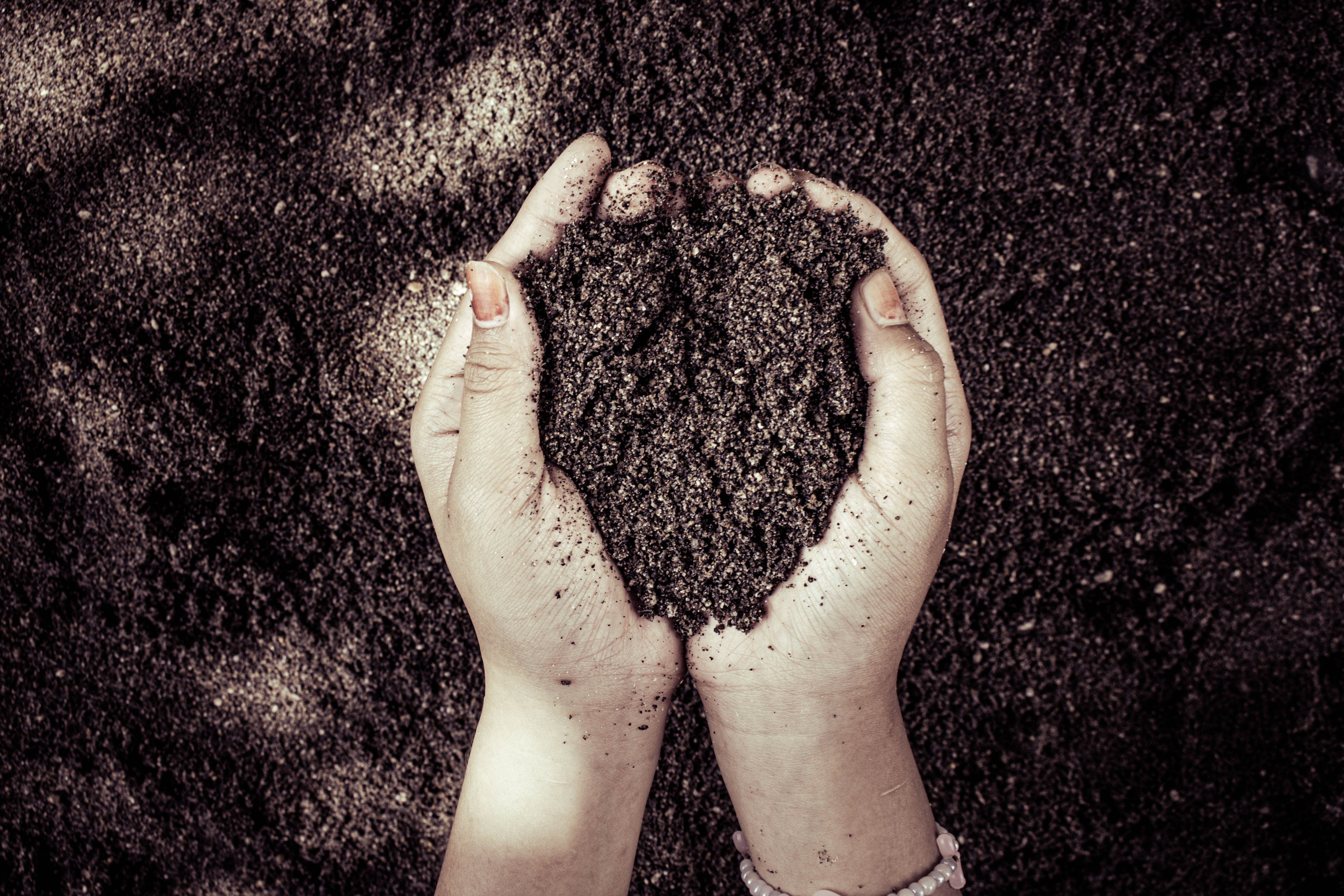
Perhaps the most useful habit gardeners can develop is checking the soil before assuming a struggling plant needs something added to it. A quick examination of moisture, drainage, root development and soil structure may reveal more than another application of fertiliser. In some circumstances, the answer will involve improving the ground. In others, choosing a more suitable plant or changing the watering routine may be all that’s required.
Good gardening isn’t simply about knowing how to look after plants above ground. It’s also about understanding the environment supporting them below the surface. When soil is healthy and appropriate for the plants being grown, many routine gardening tasks become easier, from watering and feeding to maintaining consistent growth. When it’s neglected or poorly managed, even enthusiastic gardeners can find themselves fighting the same problems year after year.
The next time a plant fails to flourish despite receiving plenty of attention, resist the urge to immediately replace it or reach for another product. Take a closer look at the ground surrounding its roots, consider the conditions it has been growing in and investigate what might be preventing it from thriving. Sometimes the most effective way to improve a garden isn’t to change what you’re planting, but to understand what’s happening underneath it.