
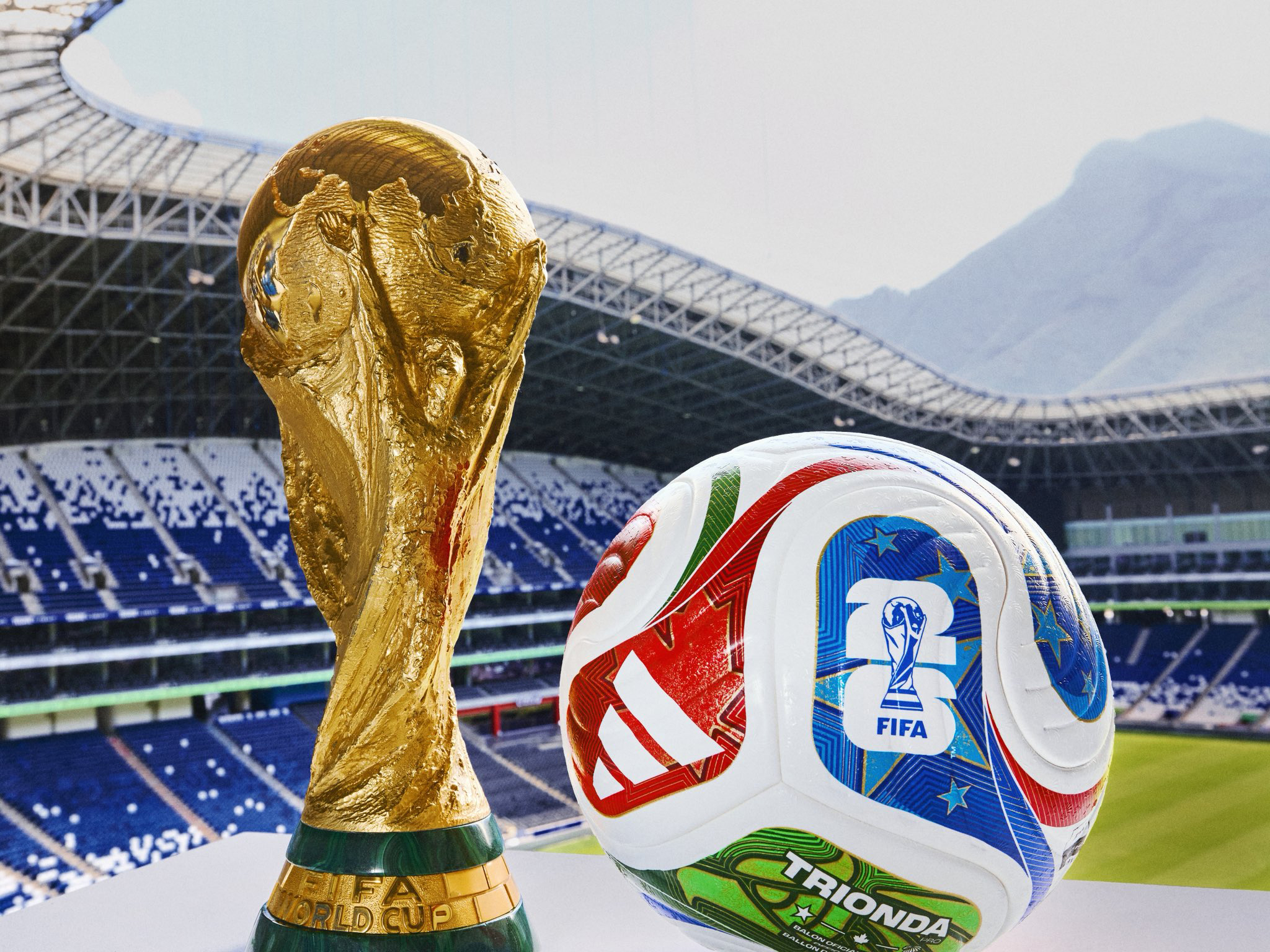
It has always been the group stage that has been the midfield of the World Cup. It’s where favorites nestle in, underdogs declare themselves, fans find new teams, and the tournament starts to form its emotional map.
However, the upcoming version will be different. The group stage is going to be bigger, longer and more complicated than ever football has witnessed, with 48 teams and a much larger match schedule.
That’s why the World Cup football 2026 will be more than an expanded tournament. It will be an experiment to see whether more teams can make the sport more exciting without diminishing the quality, tension, and simplicity of the old 32-team system.
More Teams Means More Global Opportunity
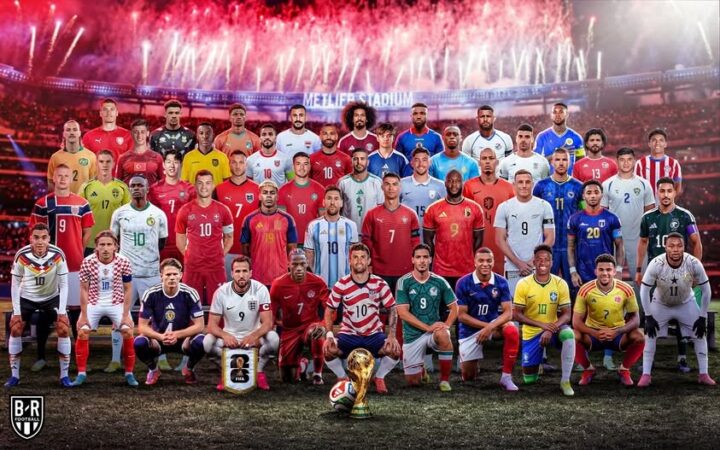
Representation is the best case for expansion. The expanded 48-team World Cup provides greater opportunities for more countries to enter the football world’s biggest event. World Cup football 2026 may be a historic commercial, sporting and cultural event for countries that seldom qualify.
This is important because the World Cup isn’t all about the usual suspects. Among some of the tournament’s most memorable moments have been from teams you would least expect, ardent following and countries with the least to lose.
Expansion makes more room for those tales. It provides greater visibility across more regions and helps demystify qualification for lesser-known football nations.
For players, it can be a career-altering experience. It can speed up investment for federations. For fans, it can be a sense of national pride that transcends the final whistle.
The Group Stage Will Feel Less Predictable
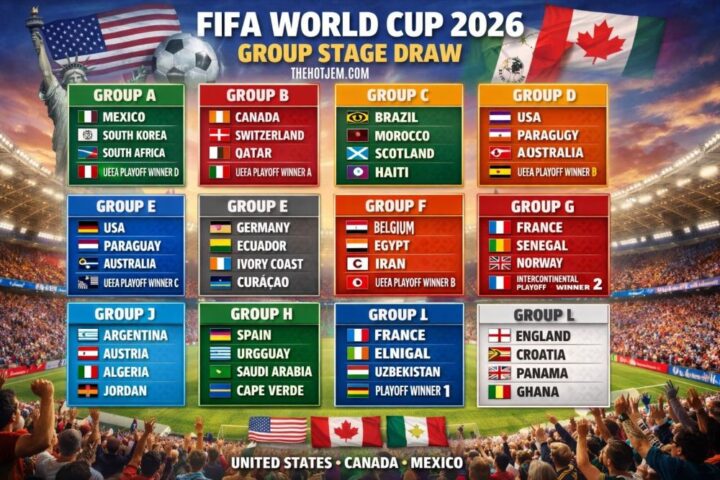
With more variety, the group stage will be more interesting with a larger field. The tactical differences, the different combinations and the different levels of experience will be more varied. That might make the first rounds feel fresher.
That said, the old format was comfortable and efficient, yet it was repetitive. The big countries were sometimes drawn against a team they had already played in an earlier tournament or qualification round. The World Cup football 2026 will feature 48 teams, which means it will have more of these first-time match-ups and weird styles up against one another.
This unpredictability can benefit the tournament. Novelty is what fans love; stories that feel new are good for broadcasters. The little country facing the big country can be a group-stage highlight.
Qualification Maths Will Change the Drama
The group stage isn’t just about individual games. It’s about the table, the permutations and the tension of the last round. That changes with expansion.
Moreover, the more groups and teams, the more complicated the mathematics of qualification. Fans may have to monitor third place, goal difference and fair play points and results from other groups. This can lead to more intrigue but also may make the tournament more difficult to follow.
The old format was very simple. Four teams, three games, two go through. The situation was understood by all. The group-stage narrative for the World Cup football 2026 could be wider, but not as apparent.
Rotation Could Become More Important
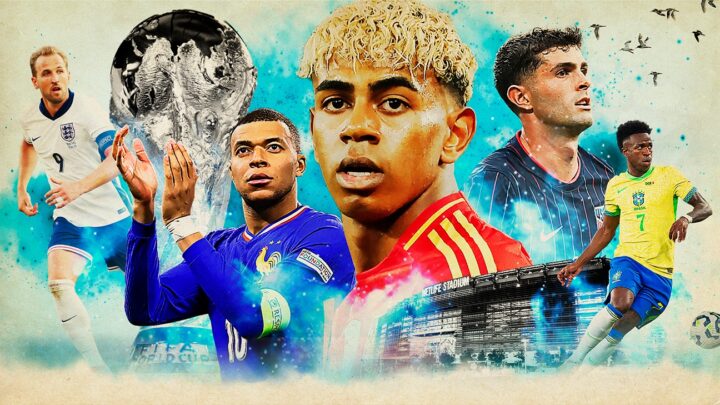
A larger tournament can also affect a manager’s approach to the early games. Favored countries with larger squads might be more relaxed about fielding rotation if a route to qualification looks forgiving. This may preserve star players, prevent fatigue, and minimize the risk of injury.
But entertainment can be impacted by rotation, too. Fans want to see the best on the pitch, particularly in tournaments played in huge stadiums with expensive tickets. The setting may be affected if key teams see some of the group games as a foregone conclusion rather than a battle to be won.
As long as the expanded group stage is the best, every game will still count. That’s what FIFA should strive for in the format.
Underdogs May Have More Paths to Survive
Smaller teams may find the new format more realistic regarding routes to the knockout stages. In the old days, a single loss was enough to pretty much kill a campaign. Teams can have more routes to recovery in the expanded tournament, particularly if there is still a third-place prize.
This might lead to tactical risks. Groups that once held a “win or don’t win” mentality may now believe they can win and still survive. It might make for better entertainment if it means more open games.
Furthermore, the 2026 World Cup football upsets might not be just one. They can be from teams that are picking up some steam in the group stage and are pushing their way through to the knockouts.
Bigger Does Not Automatically Mean Better
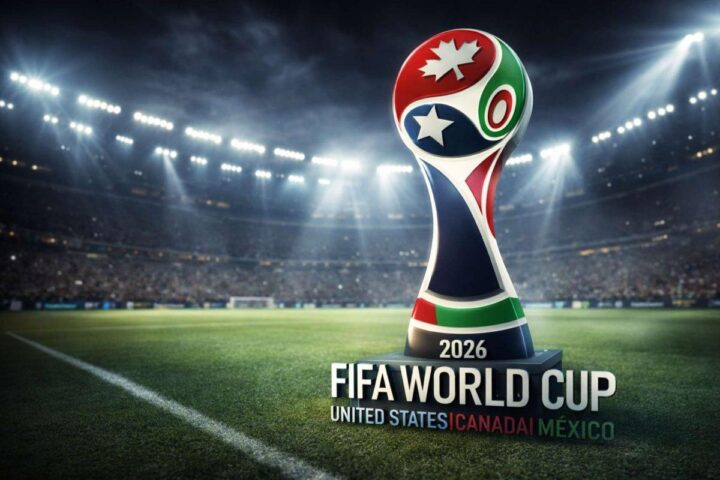
The extended World Cup will generate additional inventory, additional ticket sales, additional participation and additional content. Football tournaments aren’t just measured by their size, though. They will be assessed for rhythm, stake and quality and memory.
It is in the group stage that judgment will start. Expansion will be a success if it brings more drama, more stories, and more meaningful matches. If it makes the games more confusing, more imbalanced, and less tense, critics will say the old format was stronger.
A New Shape for Football’s Biggest Stage
All in all, the first-ever 48-team World Cup will certainly alter the character of the group stage forever, as it changes its purpose. It will no longer be only a filter for the best 16 teams. It will be a major global event, the largest common event in football, and a test of tournament design.
More countries will be given a platform on the world stage in the 2026 World Cup football. Whether it can retain the urgency of the World Cup from the first match. The enlarged group stage could be the new normal if it can. But, if not, 2026 will be remembered as the year that football discovered that scale and drama need not go hand in hand.